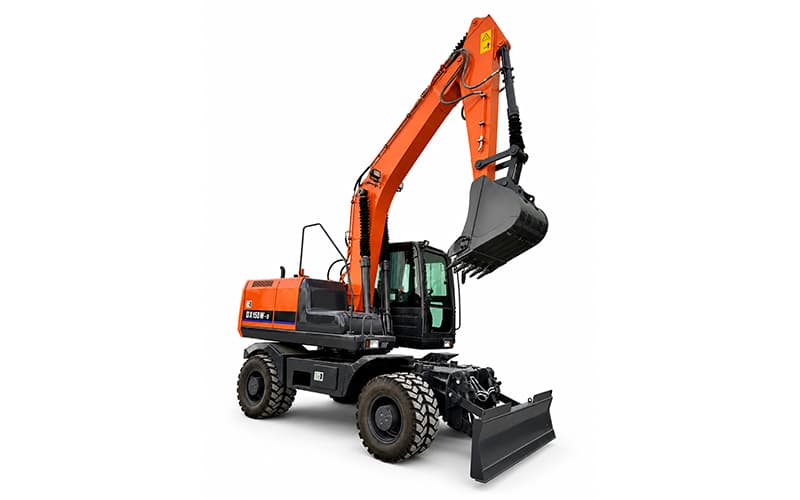
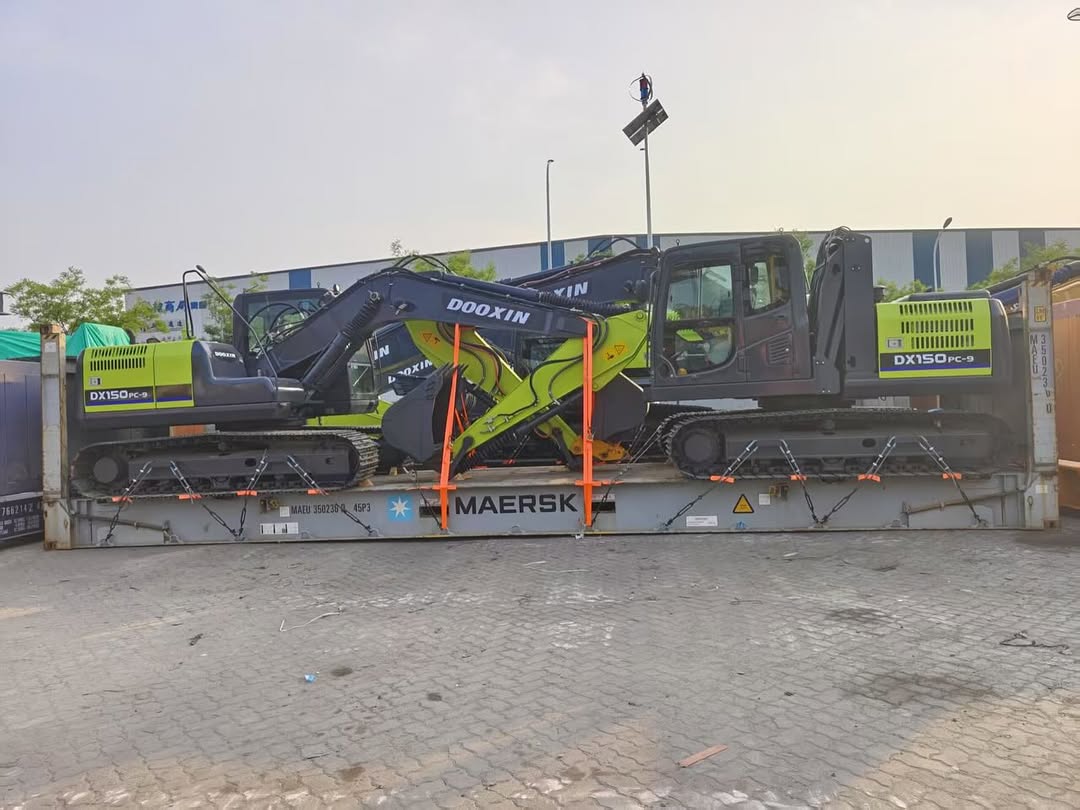
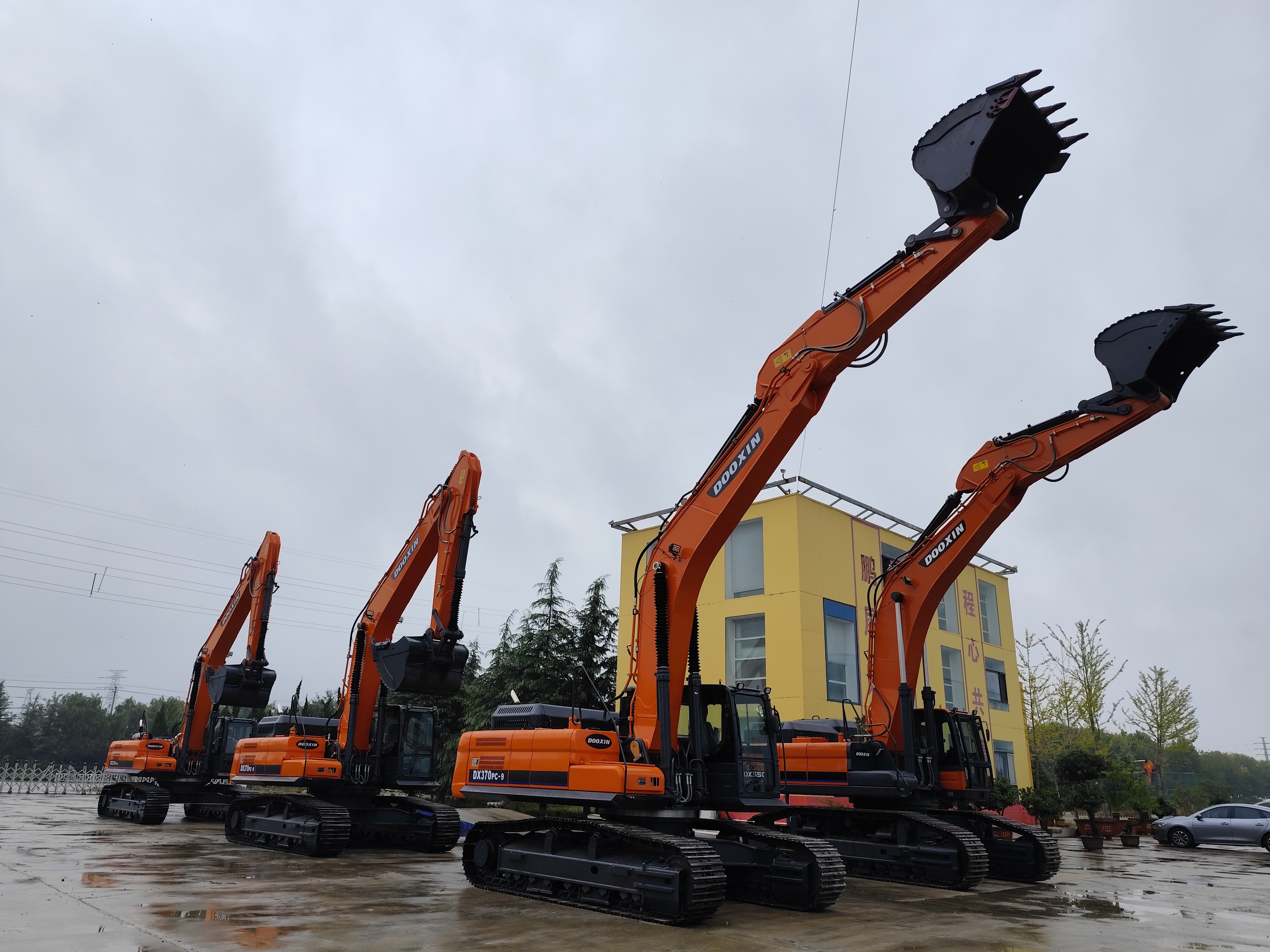
PENGCHENG GLORY’s DX300PC-9 29.5 Tons Crawler Excavator shows how equipment reliability, digging capacity, and production planning can directly influence a major excavation schedule.
Finishing a large excavation project three weeks early rarely comes from simply pushing one machine harder. On a busy construction site, lost time often comes from smaller problems: equipment waiting, repeated positioning, difficult ground conditions, inefficient loading cycles, maintenance interruptions, or a machine that cannot maintain stable performance throughout a long working day.
For a contractor managing a major earthmoving operation, these delays can quickly accumulate.
The DX300PC-9 provides an interesting example of how a heavy crawler excavator can become part of a more efficient site workflow. With an operating weight of 29.5 tons, the machine sits in a class designed for demanding excavation work rather than light-duty site preparation. Its role is not limited to removing soil. The larger question is whether it can maintain a predictable working rhythm from one task to the next.
That predictability can make a substantial difference when the project schedule is measured in weeks rather than days.
A major excavation project usually contains several connected activities. Excavation affects loading. Loading affects hauling. Hauling affects site circulation. If one stage slows down, the delay can spread across the entire operation.
A practical way to understand the schedule advantage is to look at the working cycle.
| Site factor | Common source of delay | Why a 29.5-ton excavator matters |
|---|---|---|
| Excavation volume | Too many passes for each section | Higher-capacity equipment can handle demanding earthmoving workloads |
| Ground conditions | Hard or inconsistent material | Heavy machine configuration supports stable excavation operations |
| Machine positioning | Frequent relocation | Crawler configuration provides useful mobility across working areas |
| Daily utilization | Idle periods and interruptions | Reliable operation helps maintain a consistent work rhythm |
| Production coordination | Excavator and other equipment out of balance | A predictable excavation cycle simplifies site planning |
| Maintenance | Unexpected downtime | Stable equipment performance reduces disruption to planned work |
None of these factors alone explains a three-week schedule improvement. The difference comes from their combined effect.
If a machine completes each cycle consistently, even a small improvement repeated hundreds or thousands of times can become a significant amount of saved working time.
Construction teams often discuss excavator reliability in terms of mechanical performance, but reliability has another meaning on a real site: schedule confidence.
When an excavator is assigned to a large excavation area, the rest of the operation begins to depend on its availability. Trucks need material. Supporting equipment needs a steady workflow. Operators need predictable working conditions.
A machine that frequently stops, loses working efficiency, or requires unplanned attention can create a chain reaction.
This is why a reliable 29.5 Tons Crawler Excavator can have value beyond its digging function. It becomes a stable point around which other activities can be organized.
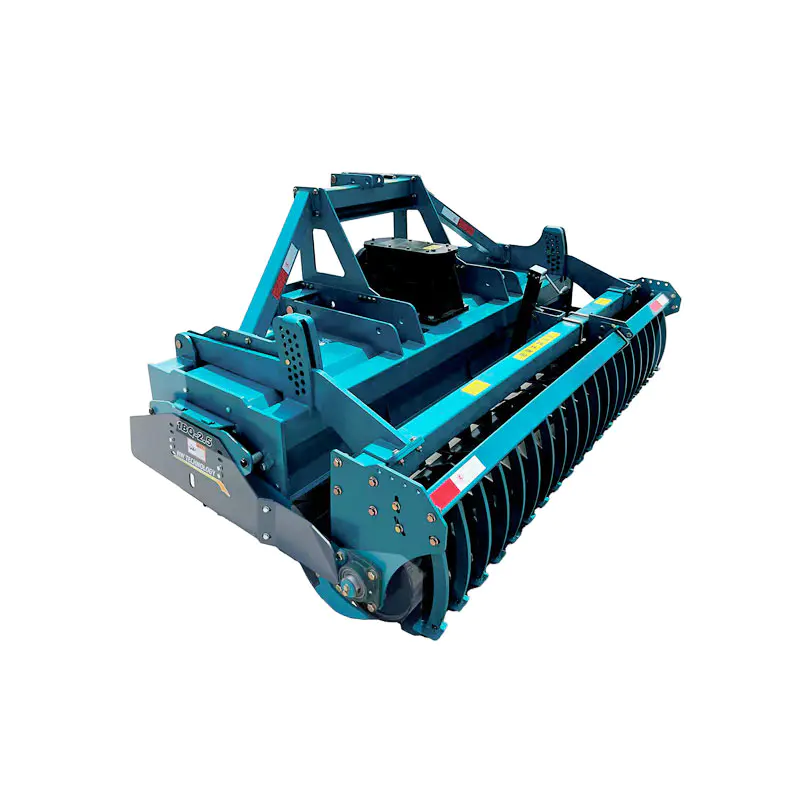
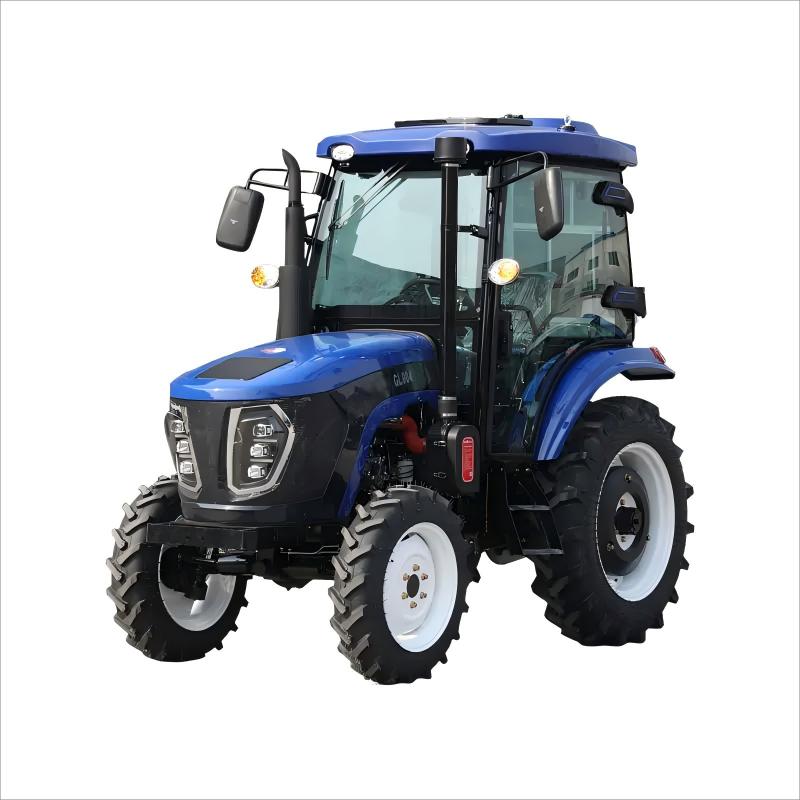
PENGCHENG GLORY is part of PENGCHENG group, which has more than 20 years of experience in construction and agricultural machinery. That background includes excavators, loaders, tractors, and other machinery, giving the DX300PC-9 a product-development context rooted in heavy equipment applications.
It is tempting to assume that a larger excavator automatically finishes a project faster. Construction sites are more complicated than that.
An excavator has to match the working area, material conditions, hauling arrangement, operator capability, and overall site layout. A machine that is too small may require excessive cycles. One that is too large for the available space may lose time through positioning and coordination.
The 29.5-ton class offers a practical balance for substantial excavation operations.
The DX300PC-9 is therefore relevant to projects where excavation volume is significant but where operational flexibility still matters. Its crawler platform allows the machine to work across changing ground areas without relying on road-style mobility.
Consider two machines completing the same excavation task.
Machine A occasionally performs very quickly but has inconsistent working periods.
Machine B maintains a steady cycle throughout the day.
Over a short period, Machine A may appear more productive. Over a multi-week project, however, consistency can become more important.
For schedule-driven excavation, the second machine may be easier to plan around because supervisors can estimate daily progress with greater confidence.
This is one reason equipment selection should not focus only on peak digging performance. Actual project productivity is influenced by what the machine can sustain.
The equipment itself is also connected to PENGCHENG’s broader production capabilities.
The group operates advanced CNC processing centers, multifunctional laser cutting equipment, CNC bending machines, and robotic welding equipment. These technologies are used across the production of construction and agricultural machinery.
That production environment matters because heavy equipment contains many interconnected structural and mechanical components. Consistency in processing and welding can influence how accurately components are produced and assembled.
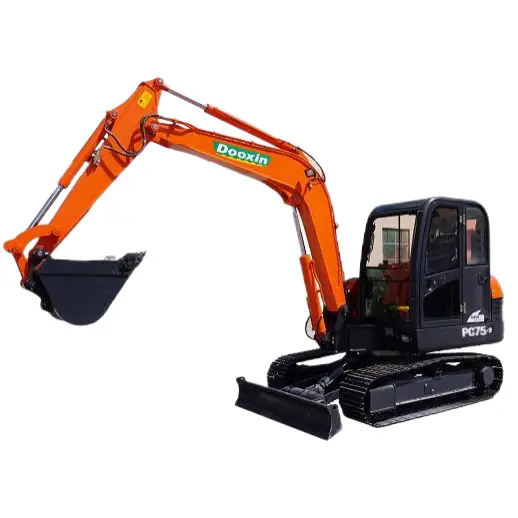
DOOXIN, the machinery line associated with PENGCHENG GLORY, has independently developed more than 100 machinery models covering construction and agricultural applications.
For an excavation operation, this wider engineering background is relevant because construction machinery rarely works as an isolated product category. Excavators, loaders, tractors, and implements often form part of the same broader site or agricultural workflow.
Even a capable excavator cannot compensate for poor site organization.
Operator familiarity, working radius, excavation sequence, truck positioning, soil management, and communication between machines all affect output.
For example, repeatedly turning the excavator to reach poorly positioned hauling equipment can waste time during every cycle. Across a full working day, these small inefficiencies become measurable.
A sensible excavation plan therefore starts before the first bucket enters the ground.
The working area should be divided into practical sections. Material should have a clear movement path. Supporting machinery should avoid unnecessary crossings. The excavator should spend as much of its working time as possible performing productive movements rather than waiting or repositioning.
This is where equipment reliability and project management meet.
Major excavation projects can involve long operating hours, changing ground conditions, and demanding workloads. Equipment must therefore perform repeatedly rather than impressively for only a short period.
The DX300PC-9 29.5 Tons Crawler Excavator represents this principle through its positioning as a heavy construction machine within the DOOXIN range.
Its relevance is particularly clear when a project has a tight completion window. The objective is not simply to dig more material per hour. It is to reduce interruptions, maintain workflow continuity, and keep the excavation stage aligned with the rest of the project.
A three-week schedule gain, when achieved, is rarely the result of one dramatic technical feature. It is usually the accumulated effect of equipment availability, appropriate machine capacity, efficient site planning, and disciplined operation.
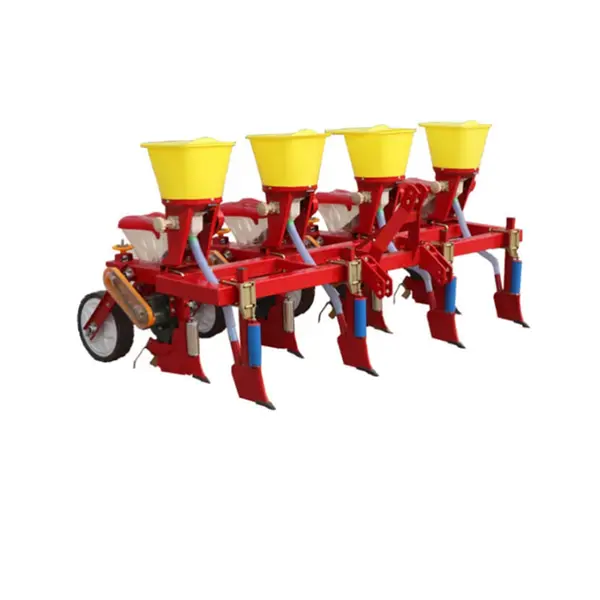
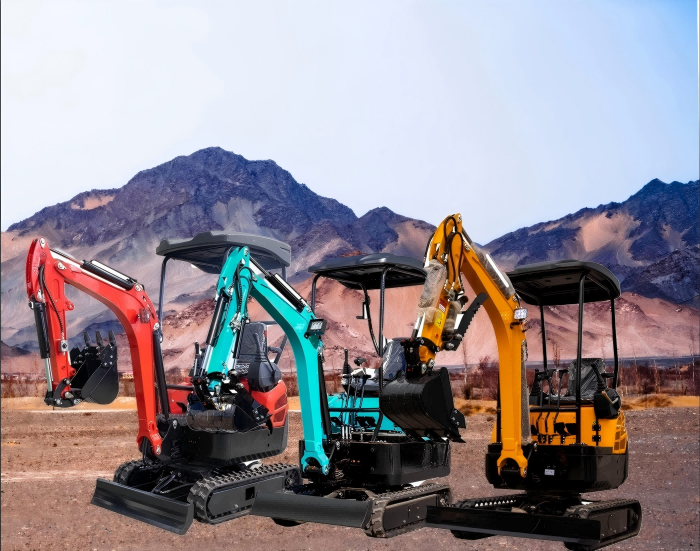
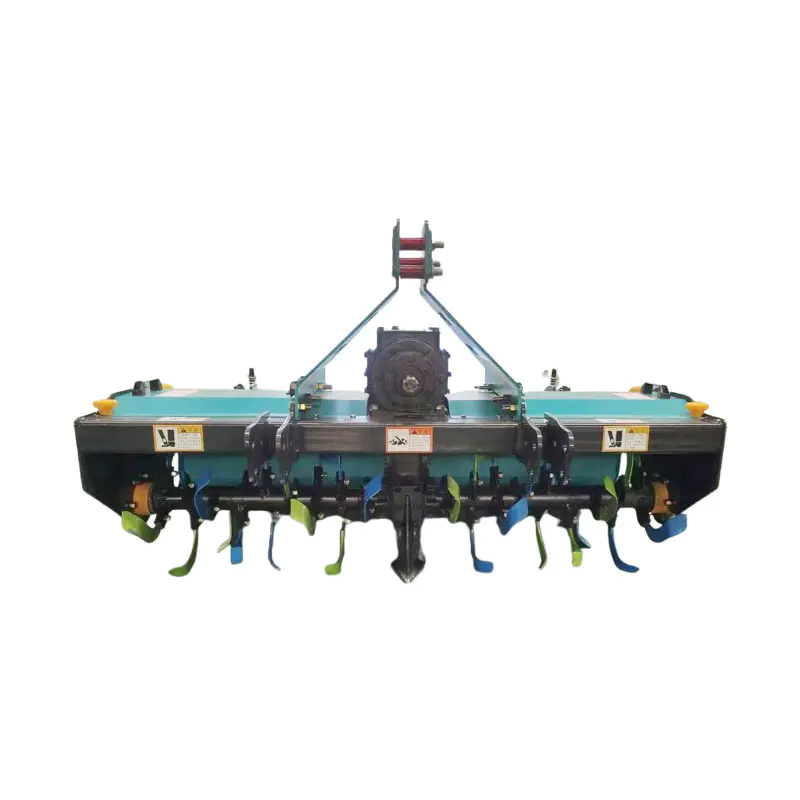
DOOXIN also develops a range of construction and agricultural implements intended to support different working conditions.
This broader product capability reflects an important change in modern machinery planning. Equipment is increasingly evaluated according to how well it fits into an entire operation rather than as an isolated machine.
For excavation work, that means considering the relationship between digging, loading, hauling, grading, and site preparation.
A dependable excavator can establish the rhythm. Other equipment then needs to match that rhythm.
When the balance is right, productivity improvements become easier to sustain.
The most useful lesson from a three-weeks-early excavation schedule is not simply to choose a heavier machine.
Instead, equipment selection should begin with several practical questions:
PENGCHENG GLORY has established branches in Singapore and the Philippines as part of its international support structure. DOOXIN machinery has also reached markets across South America, Southeast Asia, the Middle East, Europe, Africa, and other regions.
These geographic capabilities are relevant to machinery operation because construction conditions vary considerably between regions. Climate, terrain, working habits, transport conditions, and maintenance practices can all influence equipment utilization.
Reliability is sometimes treated as a simple question: does the machine work or not?
For a large construction project, the definition should be broader.
A reliable excavator should provide a predictable working rhythm, remain suitable for demanding applications, integrate with supporting equipment, and allow site managers to plan around its expected availability.
That is especially important when the project has a fixed completion date.
The example of completing a major excavation project three weeks early highlights this point. Schedule gains are built from many small decisions. Equipment capacity is one of them, but so are workflow design, operator performance, maintenance planning, and the ability to keep machinery working when the project is under pressure.
The DX300PC-9 therefore offers a useful reference for understanding why the 29.5-ton crawler excavator category remains relevant to large-scale excavation. Its value is best considered not through a single headline specification, but through how its capacity and working stability fit into an entire construction process.
For projects where every working day matters, predictable equipment can be just as important as raw digging power. The three-week difference ultimately comes down to controlling downtime, maintaining workflow, and selecting machinery that matches the actual demands of the site. Within this context, the DX300PC-9 and the engineering background of PENGCHENG GLORY provide a practical case for evaluating heavy excavation equipment through productivity and schedule reliability rather than specifications alone.