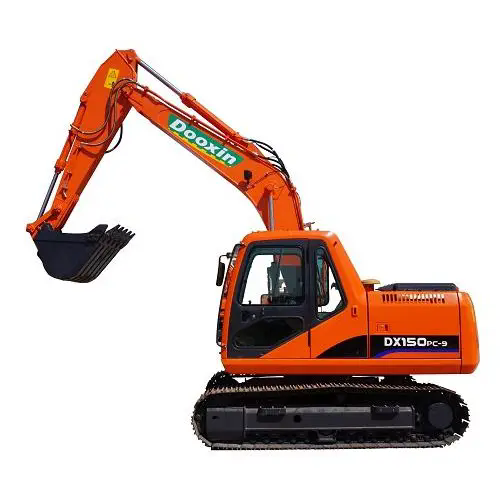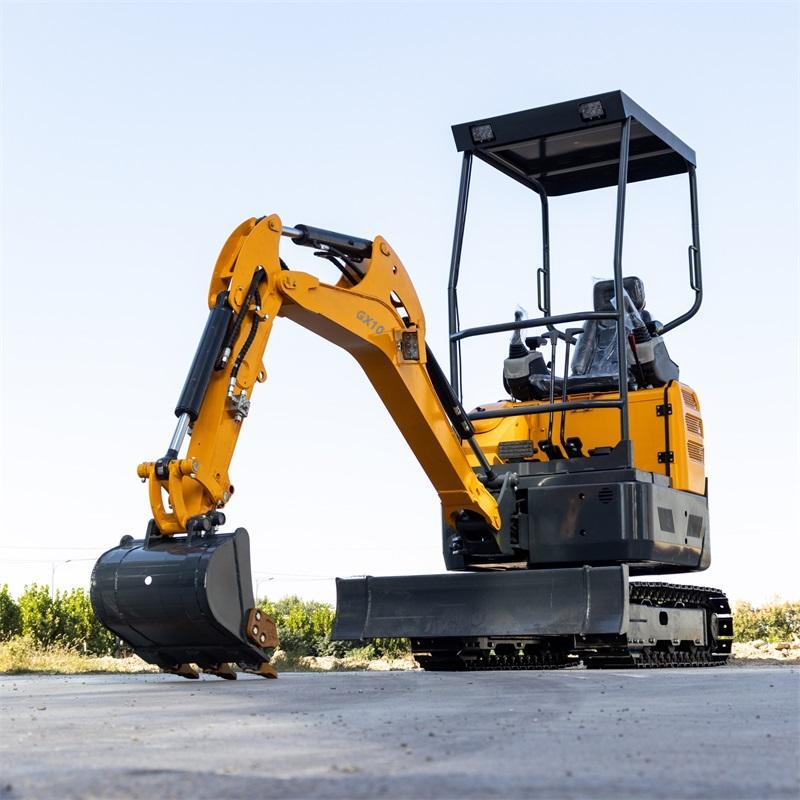
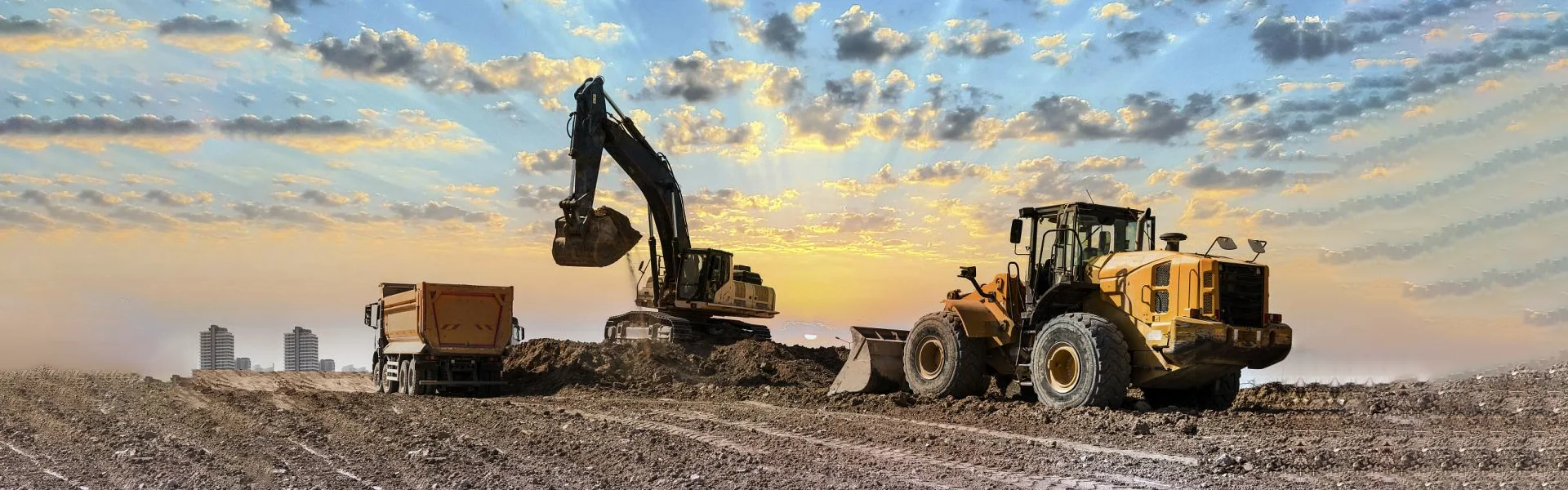
A 6 Ton Crawler Excavator sits in a useful middle ground between compact equipment and heavier construction machinery. It provides enough operating weight, hydraulic power, digging depth, reach, and attachment compatibility for utility trenching, foundation work, landscaping, agricultural development, road maintenance, and selected demolition tasks. This guide explains the specifications that matter, common purchasing concerns, operating considerations, and practical ways to match machine configuration with real project requirements.
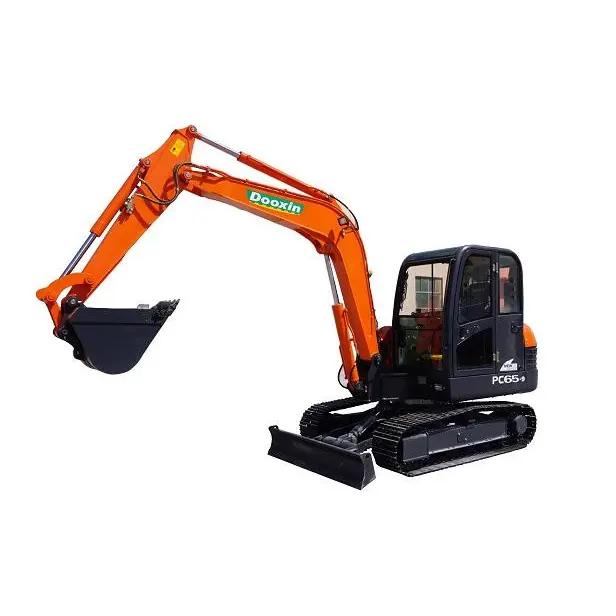
Table of Contents
- What Defines a 6 Ton Crawler Excavator?
- Why Does Machine Balance Matter on Real Jobsites?
- Which Specifications Deserve Close Attention?
- Where Can a 6 Ton Crawler Excavator Be Used?
- How Do Attachments Expand Machine Capability?
- How Do Track Configuration and Ground Pressure Affect Work?
- What Should Buyers Check Before Purchasing?
- How Can Owners Reduce Downtime?
- How Does Qingdao Pengcheng Glory Machinery Approach 6 Ton Excavators?
- Frequently Asked Questions
- Contact and Project Support
What Defines a 6 Ton Crawler Excavator?
A 6 Ton Crawler Excavator is generally designed for projects that need more digging capability than very small compact excavators can provide without stepping into the transport, fuel, and space requirements of a much larger machine. In practical terms, machines in this class commonly operate around the 6,000 kg range, although the exact operating weight varies according to configuration, cab, attachments, counterweight, and manufacturer.
The crawler undercarriage is an important part of the machine concept. Instead of relying on road wheels, tracks spread the machine's weight over a larger contact area. This helps provide traction and stability when working on loose soil, uneven construction areas, slopes, agricultural land, and other off-road surfaces.
For contractors, this balance can be especially important when one machine needs to handle several types of work during the same project. A suitable configuration can move from trench excavation to grading, material handling, landscaping, or breaker work with limited changes in equipment.
Why Does Machine Balance Matter on Real Jobsites?
Equipment buyers often focus on engine horsepower or bucket capacity first. However, a machine with high engine output is not automatically the most productive choice. Actual jobsite performance depends on how the engine, hydraulic system, working device, undercarriage, and operator controls work together.
A well-configured 6 Ton Crawler Excavator addresses these concerns by combining moderate dimensions with useful digging depth, reach, hydraulic capacity, and track stability. The exact balance should always be matched to the actual application rather than selected only by the nominal tonnage.
Which Specifications Deserve Close Attention?
Comparing excavators only by operating weight can lead to an incomplete purchasing decision. Buyers should review the complete technical specification and consider how each parameter affects the intended work.
| Specification | Typical Consideration | Why It Matters |
|---|---|---|
| Operating Weight | Approximately 6 tons | Affects stability, transportation, and ground pressure. |
| Engine Power | Often around 40–60 hp in this class | Influences digging performance and hydraulic power availability. |
| Bucket Capacity | Configuration dependent | Determines the amount of material moved per cycle. |
| Maximum Digging Depth | Commonly around 3.5–4.1 m | Important for foundations, drainage, and utility trenching. |
| Maximum Reach | Often around 6 m or more | Determines working coverage without repositioning. |
| Hydraulic Flow | Varies by machine and pump system | Important when using hydraulic attachments. |
| Track Width | Configuration dependent | Influences stability, access, and ground pressure. |
| Tail Swing Radius | Model dependent | Important when working near buildings, walls, and traffic. |
Actual specifications differ significantly between models. For example, public specifications for 6-ton-class excavators show digging depths ranging from roughly 3.7 m to more than 4 m, while bucket capacities and hydraulic systems also vary. Buyers should therefore request the manufacturer's official specification sheet rather than comparing machines by the "6 ton" label alone.
Where Can a 6 Ton Crawler Excavator Be Used?
The biggest practical advantage of this machine class is application flexibility. A 6 Ton Crawler Excavator can support multiple stages of a project when its working range and attachments match the job requirements.
- Utility trenching: Suitable for excavation associated with water lines, drainage, cables, pipelines, and other underground utilities.
- Foundation preparation: Useful for residential and light-to-medium commercial excavation where reach and digging depth are appropriate.
- Road maintenance: With a suitable attachment, the machine can support ditching, shoulder preparation, material handling, and selected pavement repair work.
- Landscaping: Compact dimensions and track mobility can make the machine suitable for grading, soil movement, drainage preparation, and large-scale landscaping.
- Agricultural projects: It can support pond preparation, drainage channels, land leveling, and other earthmoving applications.
- Demolition preparation: When correctly equipped with a hydraulic breaker or other approved attachment, it can handle selected concrete and light structural demolition tasks.
- Material handling: Grapples and other attachments can increase its usefulness for moving logs, debris, pipes, and construction materials within rated operating limits.
How Do Attachments Expand Machine Capability?
A crawler excavator becomes significantly more useful when the hydraulic system and attachment interface are properly matched. Instead of purchasing separate machines for every specialized task, contractors can use compatible tools to extend the working range of one excavator.
| Attachment | Typical Application | Key Consideration |
|---|---|---|
| Standard Bucket | General excavation and earthmoving | Capacity and material type |
| Rock Bucket | Rocky or abrasive soil | Reinforced structure and wear resistance |
| Hydraulic Breaker | Concrete, asphalt, selected rock | Hydraulic flow and pressure compatibility |
| Auger | Post holes and ground drilling | Torque and hydraulic requirements |
| Grapple | Debris, timber, and material handling | Rated load and hydraulic circuit |
| Compaction Attachment | Trench and soil compaction | Attachment weight and hydraulic compatibility |
The important point is compatibility. A heavier attachment does not automatically produce better results. The excavator must have sufficient hydraulic flow, pressure, stability, lifting capacity, and structural strength for the selected tool.
How Do Track Configuration and Ground Pressure Affect Work?
Tracks influence much more than simple movement. They affect traction, stability, maneuverability, transport width, and the machine's interaction with the ground.
- Narrower tracks: Can improve access through restricted areas and may simplify transportation where width is a major concern.
- Wider tracks: Increase the contact area and can help reduce ground pressure on soft terrain.
- Rubber tracks: Can be useful for applications where surface protection is important, subject to the manufacturer's configuration.
- Steel tracks: Can be appropriate for rough, abrasive, or rocky working environments where durability is a priority.
Site conditions should therefore be considered before choosing a track configuration. A machine intended mainly for urban landscaping may have different track requirements from one working continuously on rocky construction sites.
What Should Buyers Check Before Purchasing?
Purchasing a crawler excavator is a long-term equipment decision. The lowest purchase price does not necessarily correspond to the lowest total operating cost. Buyers should examine the complete machine configuration and the support available after delivery.
- Project requirements: Define average digging depth, soil conditions, required reach, working hours, and attachment needs.
- Machine dimensions: Check total width, height, length, turning radius, and transport dimensions against the jobsite.
- Engine and emissions: Confirm that the engine specification is appropriate for the target market and local regulations.
- Hydraulic performance: Review flow rate, operating pressure, auxiliary circuits, and attachment compatibility.
- Undercarriage: Evaluate track width, ground pressure, rollers, sprockets, and track material according to terrain.
- Operator environment: Examine visibility, seat design, control layout, climate control, monitoring functions, and safety equipment.
- Maintenance access: Check whether filters, fluid reservoirs, engine components, and lubrication points are easy to reach.
- Parts and service: Ask about spare-parts availability, technical support, warranty coverage, and service procedures.
- Documentation: Request manuals, parts catalogs, specifications, load charts, maintenance schedules, and relevant certification documents.
How Can Owners Reduce Downtime?
Preventive maintenance is one of the simplest ways to protect excavator availability. Even a well-built machine can suffer unnecessary downtime if daily inspections and scheduled servicing are ignored.
- Inspect engine oil, coolant, hydraulic oil, and fuel levels regularly.
- Check hydraulic hoses and fittings for leakage or visible damage.
- Inspect tracks, rollers, sprockets, and track tension.
- Remove accumulated mud, dust, and debris from critical cooling areas.
- Grease specified pins, bushings, and working-device lubrication points.
- Monitor unusual vibration, noise, overheating, or hydraulic response.
- Follow the manufacturer's recommended filter and fluid replacement intervals.
- Keep maintenance records to identify recurring problems early.
How Does Qingdao Pengcheng Glory Machinery Approach 6 Ton Excavators?
Qingdao Pengcheng Glory Machinery Co., Ltd. offers the PC60-9 as a 6-ton-class crawler excavator designed for applications that require a combination of digging capability, working range, stability, and practical operating dimensions.
Publicly listed specifications for the PC60-9 include an operating weight of approximately 6,200 kg, a Yuchai YC4D80-T302 engine rated at 43 kW, a hydraulic flow rate of 110 L/min, and a hydraulic system pressure of 28 MPa. The listed maximum digging depth is 4,100 mm, with a maximum ground-level reach of 6,500 mm and a standard bucket capacity of 0.25 m³.
| PC60-9 Feature | Listed Specification |
|---|---|
| Operating Weight | 6,200 kg |
| Engine | Yuchai YC4D80-T302 |
| Engine Power | 43 kW / 58 hp at 2,200 rpm |
| Hydraulic Flow | 110 L/min |
| Hydraulic Pressure | 28 MPa |
| Maximum Digging Depth | 4,100 mm |
| Maximum Ground-Level Reach | 6,500 mm |
| Maximum Loading Height | 4,300 mm |
| Standard Bucket Capacity | 0.25 m³ |
| Track Shoe Width | 450 mm |
The configuration is intended to support a range of construction and earthmoving requirements. Its working range can be useful for foundation excavation, utility trenching, agricultural land preparation, landscaping, material handling, and related applications when the working conditions and attachments fall within the machine's rated limits.
For international equipment buyers, the most useful approach is to compare the complete configuration with the actual project rather than selecting equipment solely from the nominal tonnage. Engine requirements, attachment needs, transport restrictions, terrain, working depth, service expectations, and local regulations should all be considered before ordering.
Frequently Asked Questions
It is commonly used for utility trenching, foundation excavation, landscaping, agricultural earthmoving, road maintenance, drainage work, material handling, and selected demolition tasks. The appropriate application depends on the machine's specifications and attachments.
Digging depth varies by model and boom-arm configuration. Many machines in this class provide approximately 3.5 to 4.1 meters of maximum digging depth. Buyers should always verify the official working-range chart for the specific model.
It can be suitable when its overall width, tail swing radius, and working height fit the site. Before delivery, measure entrances, access roads, working corridors, overhead obstacles, and turning areas.
Many machines in this class can operate hydraulic breakers when the breaker size and hydraulic flow and pressure requirements are compatible. The attachment must be selected according to the excavator manufacturer's specifications.
Fuel consumption depends on engine configuration, hydraulic efficiency, workload, operator habits, soil conditions, attachment type, idle time, maintenance condition, and operating environment. Comparing rated engine power alone does not provide a complete picture.
The answer depends on terrain and surface requirements. Rubber tracks can be useful where surface protection is important, while steel tracks are often considered for abrasive, rocky, or demanding ground conditions. Availability and compatibility should be confirmed with the manufacturer.
Provide the intended application, required digging depth, soil type, operating environment, working hours, preferred attachments, destination country, transportation limitations, and any engine or emissions requirements. This allows the supplier to recommend a more suitable configuration.
Planning Your Next Excavation Project?
Choosing the right excavator starts with understanding the actual work rather than simply comparing machine weight or purchase price. If you are evaluating a 6 Ton Crawler Excavator for construction, utility, agriculture, landscaping, road maintenance, or other earthmoving applications, Qingdao Pengcheng Glory Machinery Co., Ltd. can provide configuration information and project-focused equipment support.
Share your application, required digging depth, attachments, working conditions, and destination market with our team. We can help you review the relevant specifications and identify a configuration that matches your operating needs. Contact us.