Email Us
News

6-step temperature control method for excavators

2026-04-24 0 Leave me a message

6-Step Temperature Control Method For Excavators


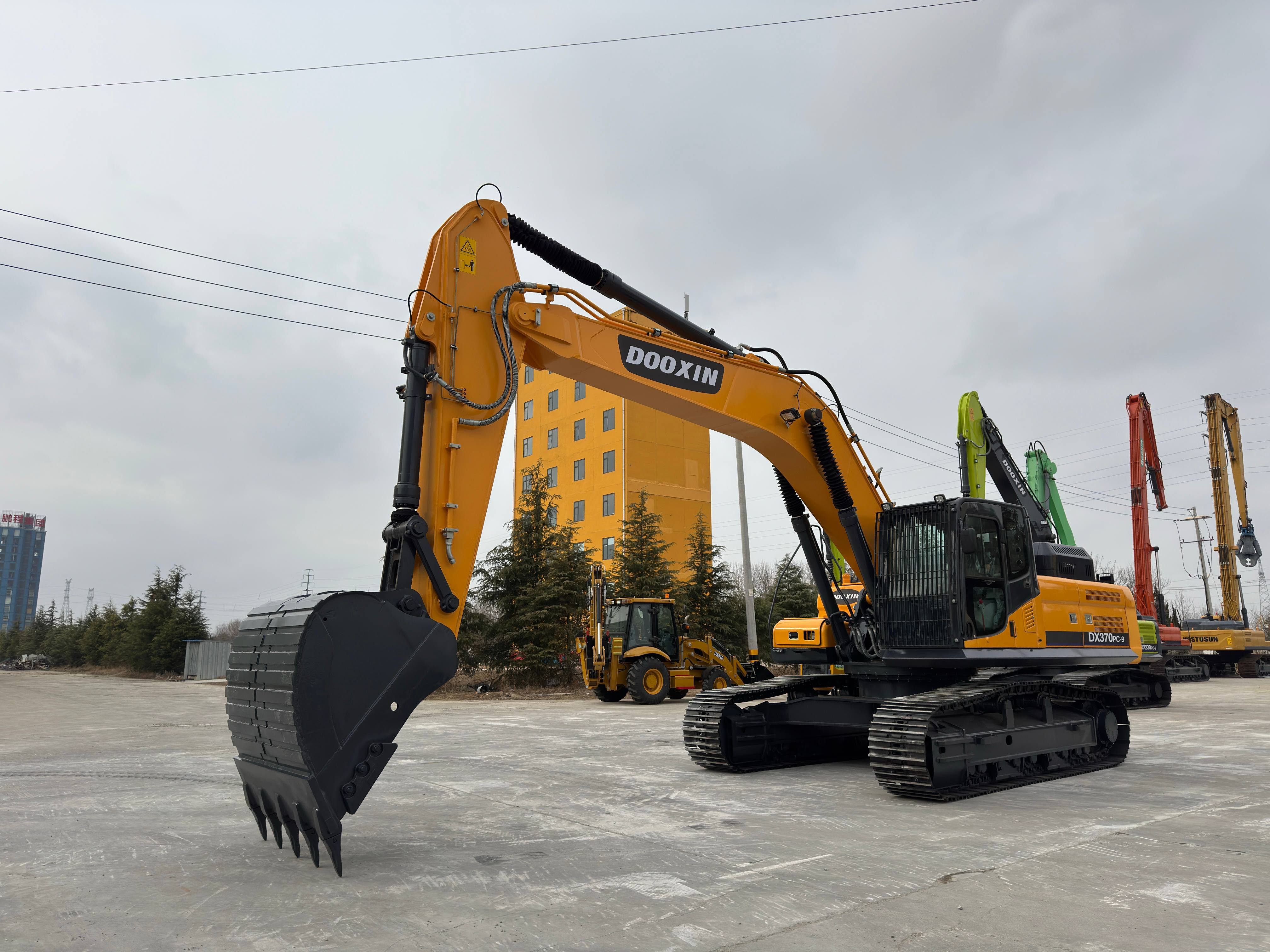
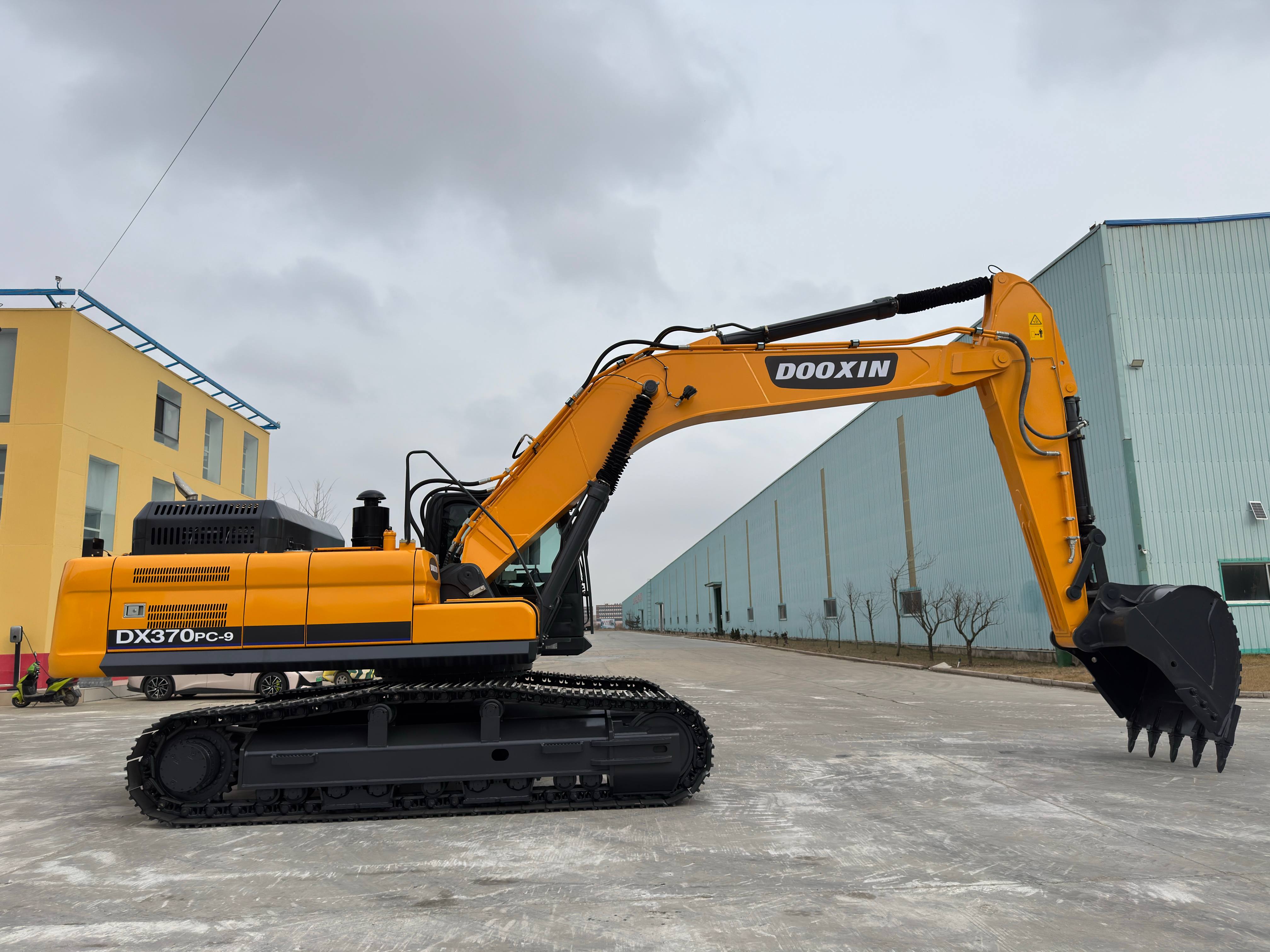
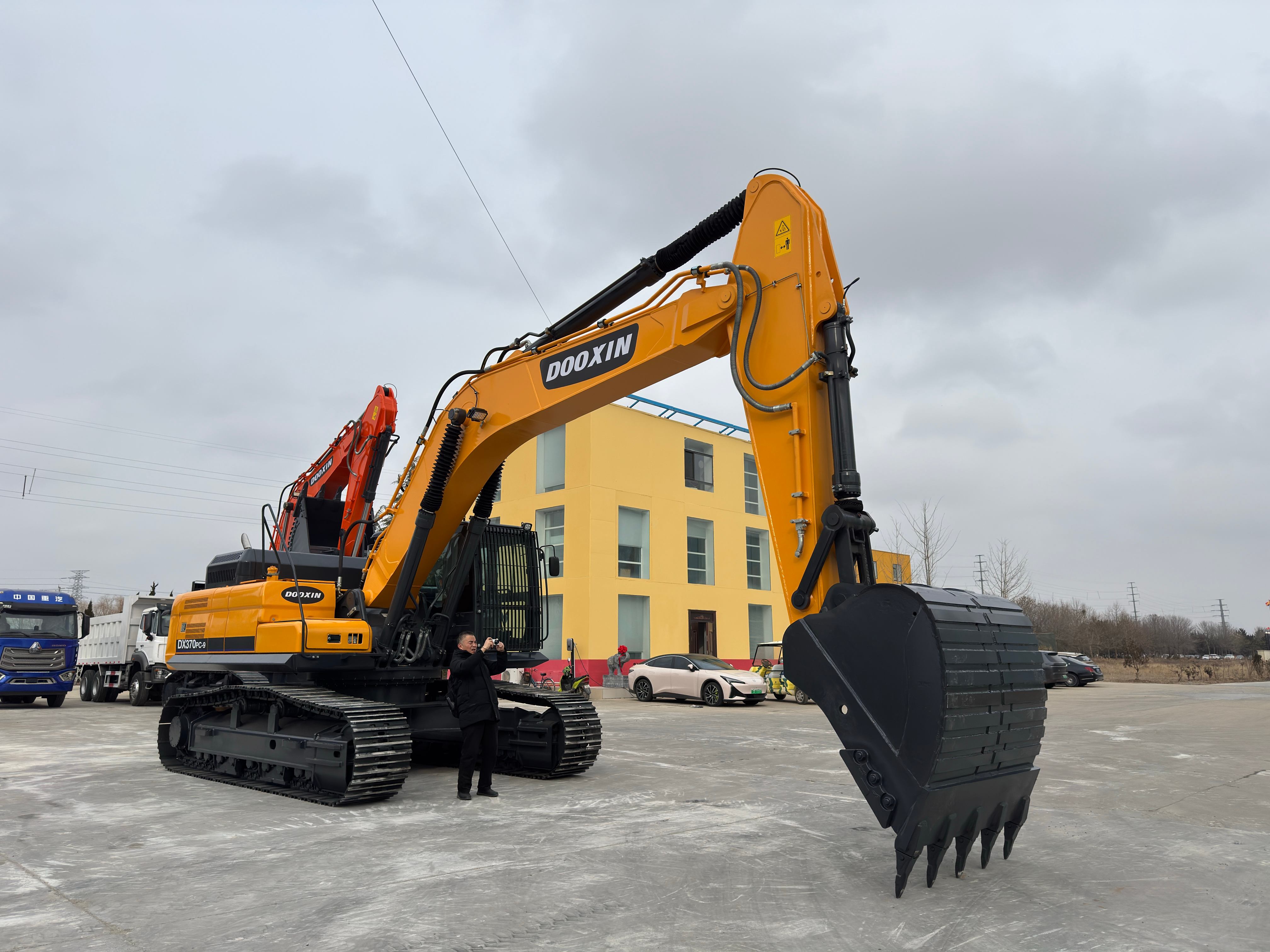
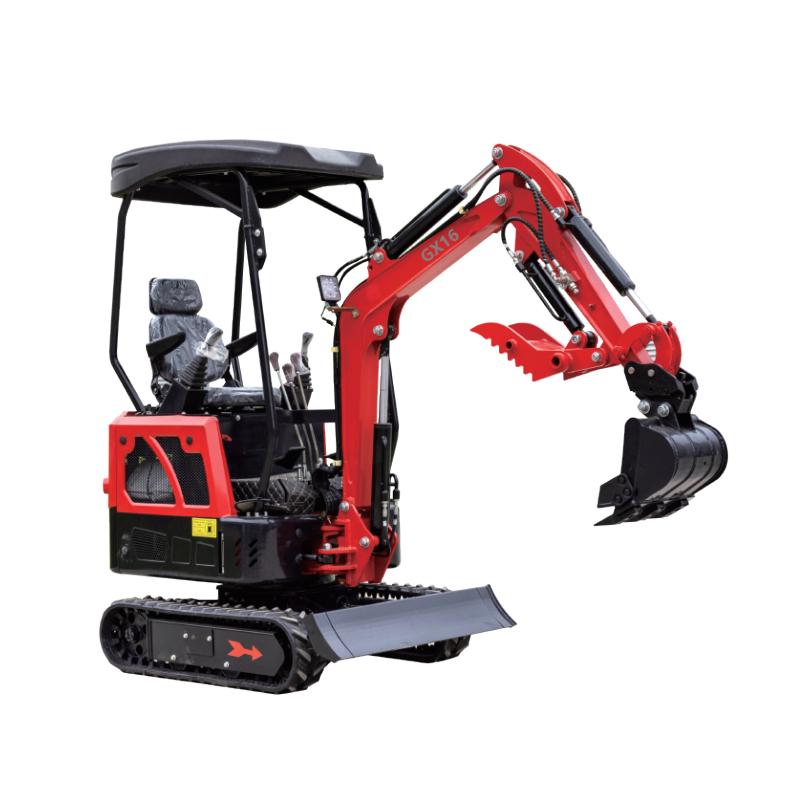
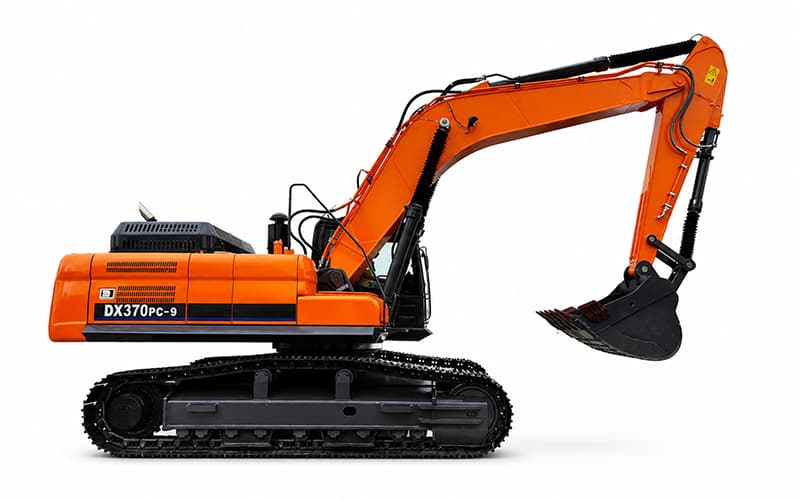
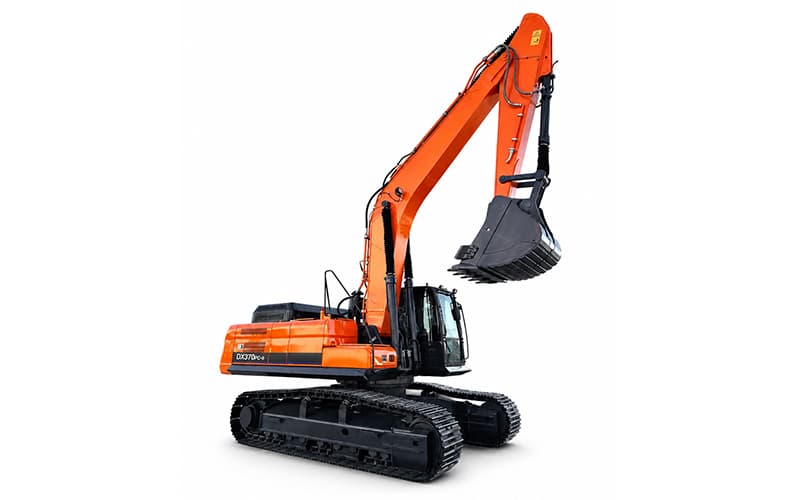
As the construction season approaches, projects worldwide are accelerating at full speed. Under the continuous and high-intensity operation of machines, there may be a phenomenon of elevated hydraulic oil temperature. To ensure stable operation of the equipment and improve construction efficiency, the DOOXIN Technology Center, based on the structural characteristics of the three main crawler excavator models DX150, DX230, and DX370 has summarized a systematic and practical "6-step Inspection Method for High Hydraulic System Temperature" for operators and equipment managers to refer to.


Step 1: Check the hydraulic oil level and quality


Insufficient hydraulic oil or deteriorated oil is the most common cause of high system temperature. First, confirm that the machine is placed on a level ground, the bucket is on the ground and the system pressure is released. For small and medium-sized excavator models such as DX150, the oil level should be at the upper-middle position of the hydraulic oil tank observation window; for medium and large-tonnage excavators such as DX230 and DX370, it is also necessary to check if there is any metal powder at the return oil filter. If the oil appears milky white or has a burnt smell, the hydraulic oil and filter should be replaced immediately.


Step 2: Clean the radiator and cooling system


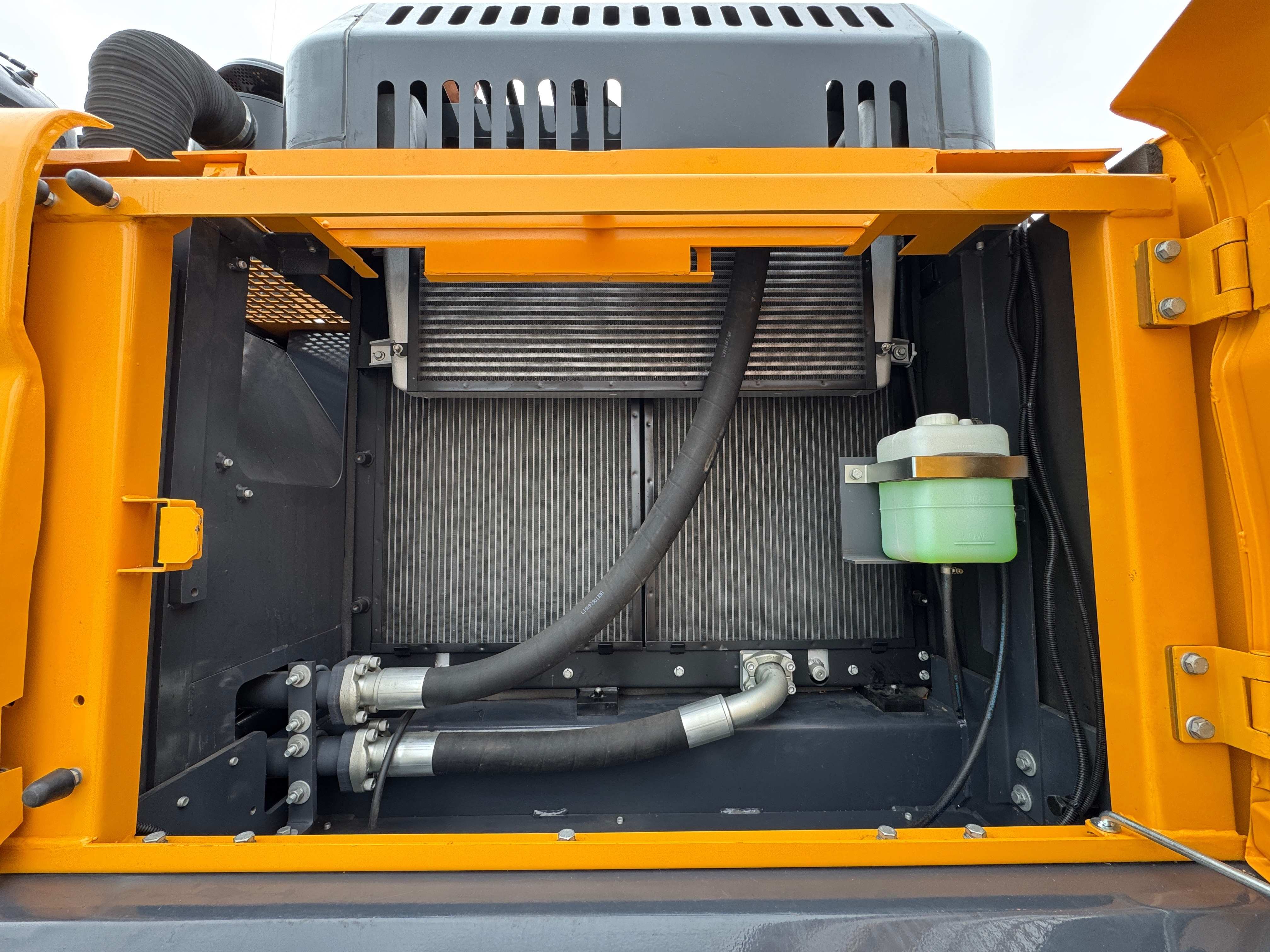
Blockage of the radiator will directly reduce the cooling capacity. Please check the inter layer between the hydraulic oil radiator and the engine water radiator, as well as the external dust filter. Especially in dusty working conditions such as DX370 for mining and DX230 for earthwork transportation, it is recommended to use compressed air to blow the radiator fins from the inside out in reverse every day. At the same time, check the tension of the fan belt to ensure sufficient cooling air volume.


Step 3: Confirm the working status of the hydraulic pump and variable mechanism


Excessive wear of the hydraulic pump or jamming of the variable mechanism will cause power mismatch and the conversion of excess energy into heat. For fine operation excavator models such as DX150, observe if the pump shell is abnormally hot to the touch and listen for any irregular abnormal sounds. Users of DX230 and DX370 are recommended to use a service diagnostic instrument to read the current value of the main pump proportional valve and the actual diaphragm angle. If the deviation exceeds the set value, calibration or replacement of the regulator is required.


Step 4: Test the main relief valve and safety valve pressure

If the set pressure of the main relief valve is too high or the valve core is stuck, the system will remain in the relief state for a long time. Use a professional pressure gauge to measure the relief pressure of each action circuit (arm, bucket, bucket, rotation). Due to the large flow of the hydraulic system in DX370, it is especially necessary to check the secondary relief valves of the swing motor and the walking motor. If the opening pressure is lower than the standard value, disassemble and clean or replace the spring.


Step 5: Check the hydraulic pipeline and the bypass valve beside the radiator


Severe bending, flattening, or peeling of the pipeline will increase the flow resistance and generate additional heat. Focus on checking the soft pipe section from the driver's cab to the main control valve, as well as the return oil pipeline of DX230 and DX370. At the same time, confirm if the bypass valve (back pressure valve) is in the closed state. If it is opened due to spring fatigue, the hydraulic oil will not go through the radiator and return to the oil tank directly, and it must be replaced immediately.


Step 6: Evaluate the matching degree of operation and construction conditions


Long-term overloading or continuous overflow actions (such as continuous pushing, rapid switching actions) will accelerate the increase in oil temperature. It is recommended that DX150 users avoid using the maximum flow for fine slope trimming for a long time; for DX230, control the engine speed in the economic zone during loading operations; for DX370 in crushing hammer conditions, add an oil return accumulator and shorten the hydraulic oil replacement cycle according to our company's technical notification.


The hydraulic system is the "blood circulation system" of the excavator. Long-term high temperatures will accelerate the aging of seals, wear of pumps and valves, and even cause the entire machine to stop. Through the systematic troubleshooting of the above six steps, more than 90% of the high-temperature faults can be quickly located and resolved. DOOXIN always puts the customer at the center. If you encounter any technical problems during the use of DX150, DX230, or DX370, please call the 24-hour service hotline. We will resolve your problems immediately and safeguard the full life cycle value of your equipment.


Related News
Leave me a message
Mobile
Address
Changjiang West Road, Huangdao District, Qingdao City, Shandong Province, China
X
We use cookies to offer you a better browsing experience, analyze site traffic and personalize content. By using this site, you agree to our use of cookies. Privacy Policy
Reject Accept