Email Us
News

How to choose the matching farm tools for a tractor

2026-01-04 0 Leave me a message

How to choose the matching farm tools for a tractor

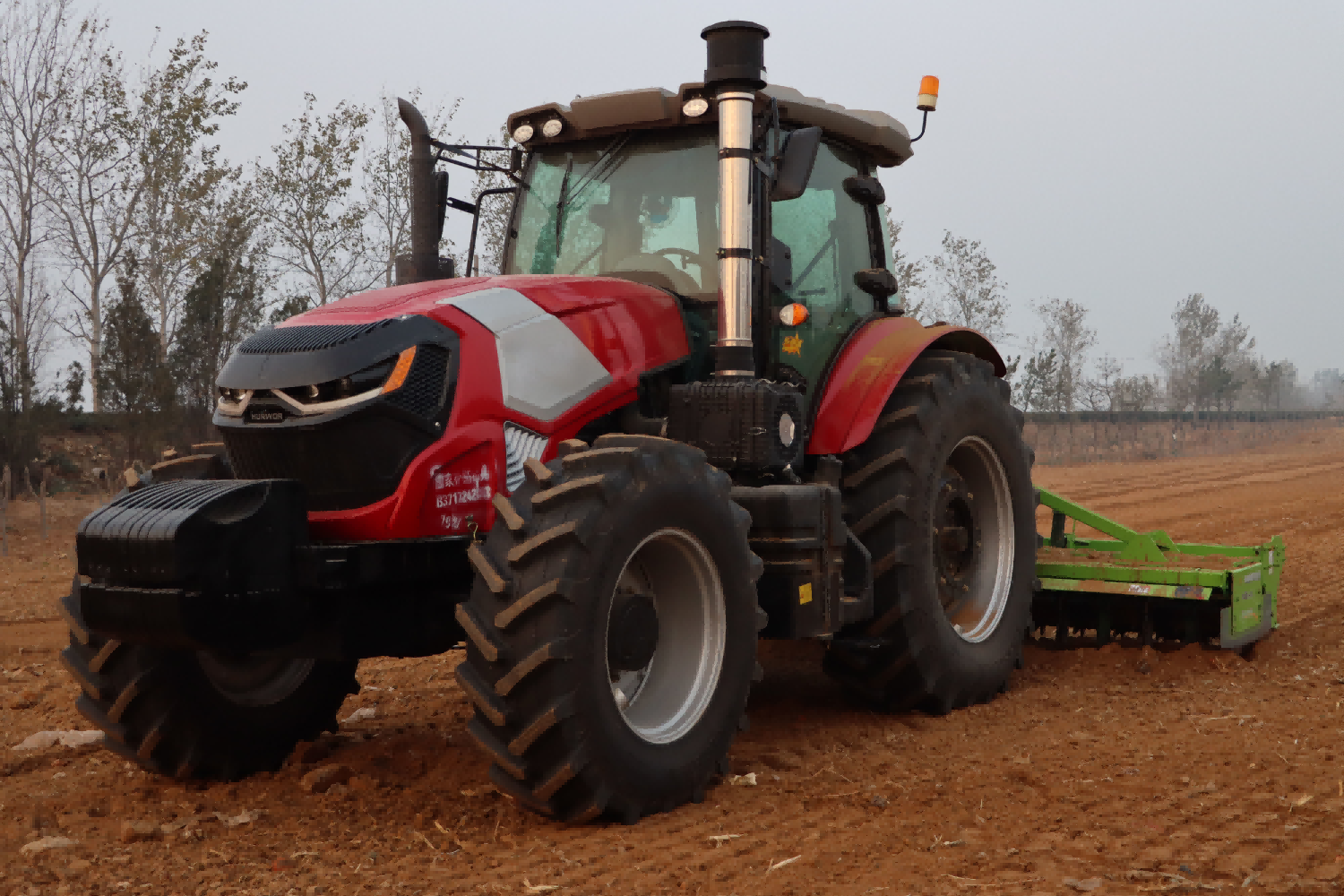
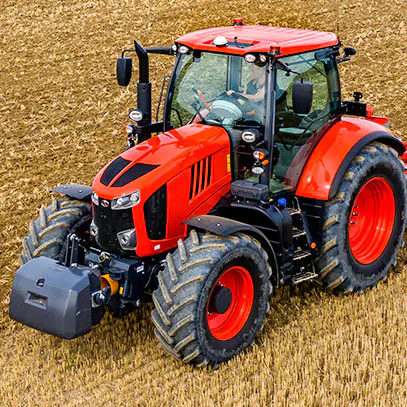
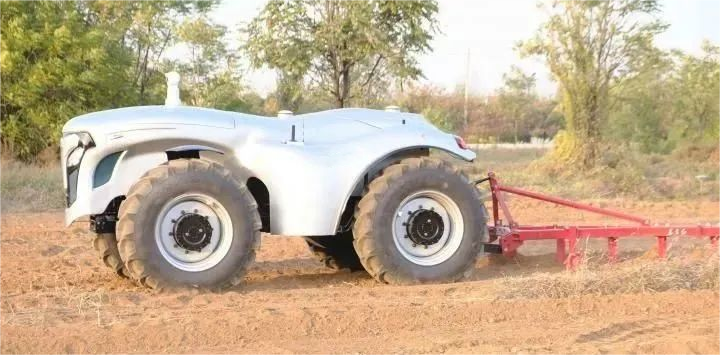
In the modern agricultural production system, tractors, as the core power equipment, can only achieve their full potential with the scientific and appropriate matching of accompanying agricultural tools. A set of agricultural tools that meets the actual production needs can not only significantly improve the efficiency of the entire process of farming, sowing, and field management, but also reduce energy consumption and equipment wear and tear, thereby creating higher profits for farmers.


Adapt to the land environment: Select appropriate materials based on the soil type.

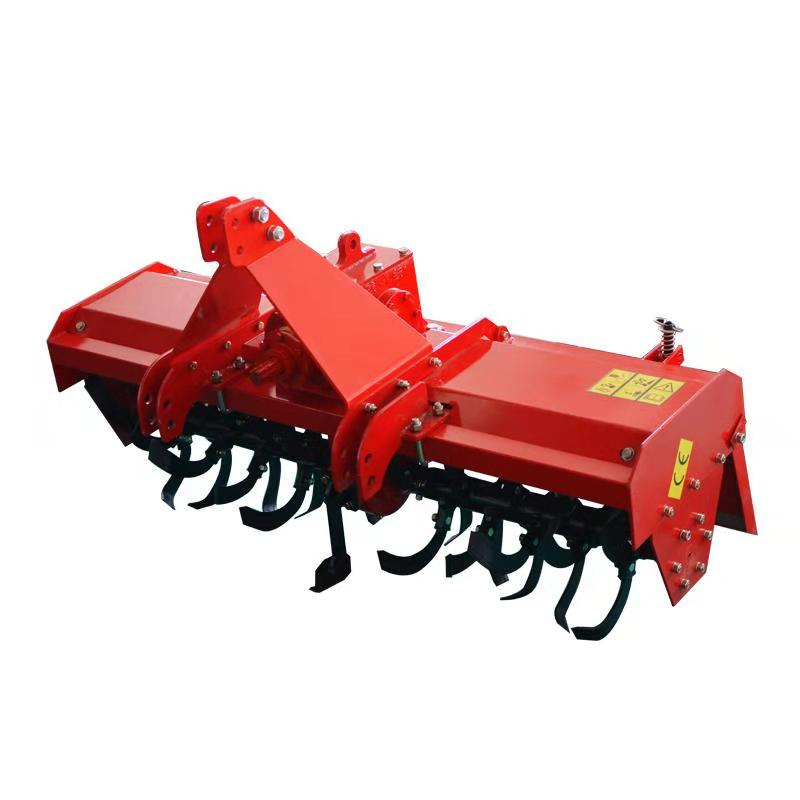
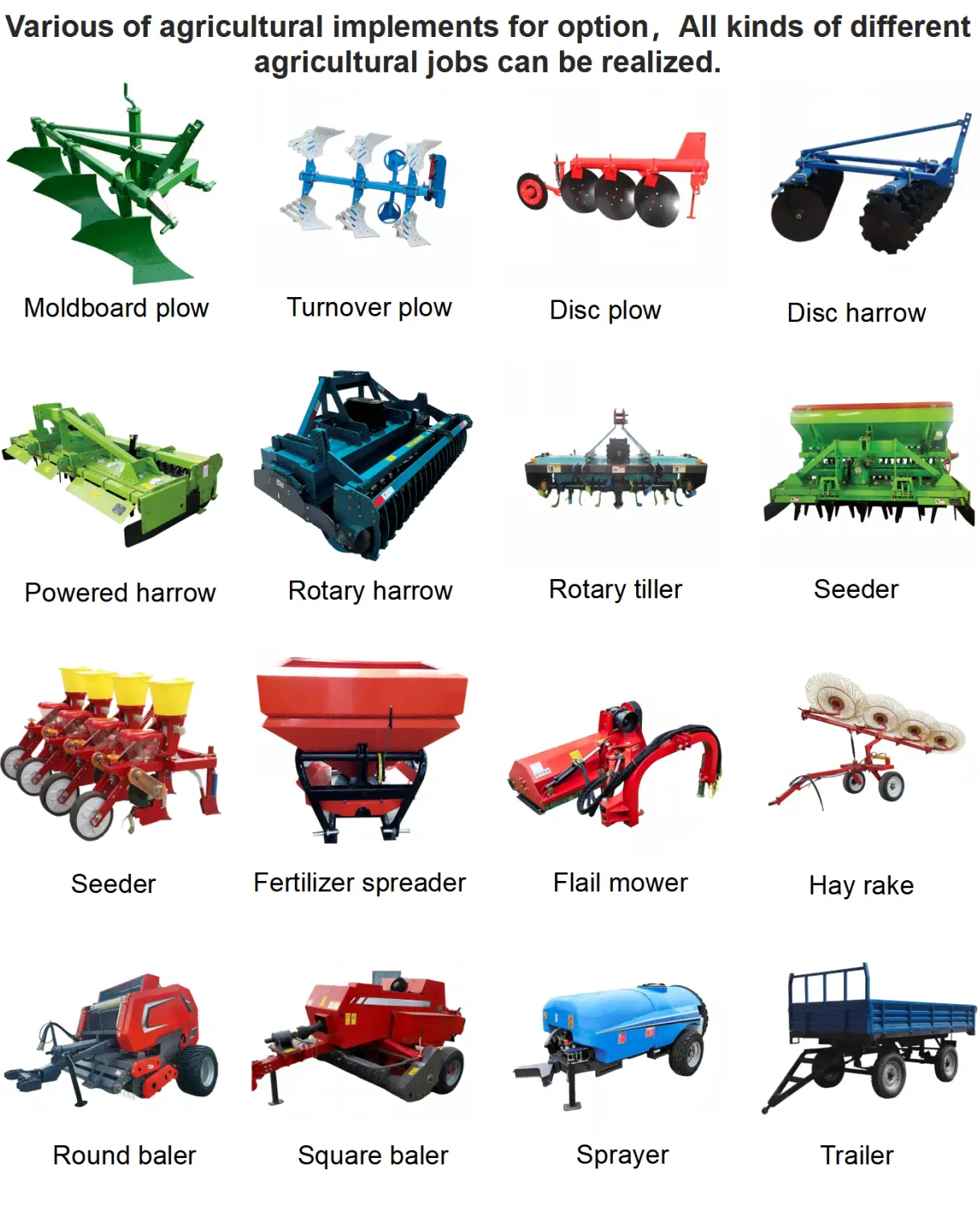
For loose and fertile sandy loam soil, which has good air permeability and low resistance, it is suitable to choose lightweight or medium-sized agricultural tools. In the field cultivation process, a rotary tiller can be used for shallow plowing. The blades of the rotary tiller can easily break up the soil, forming a fine plough layer, which provides favorable conditions for sowing.

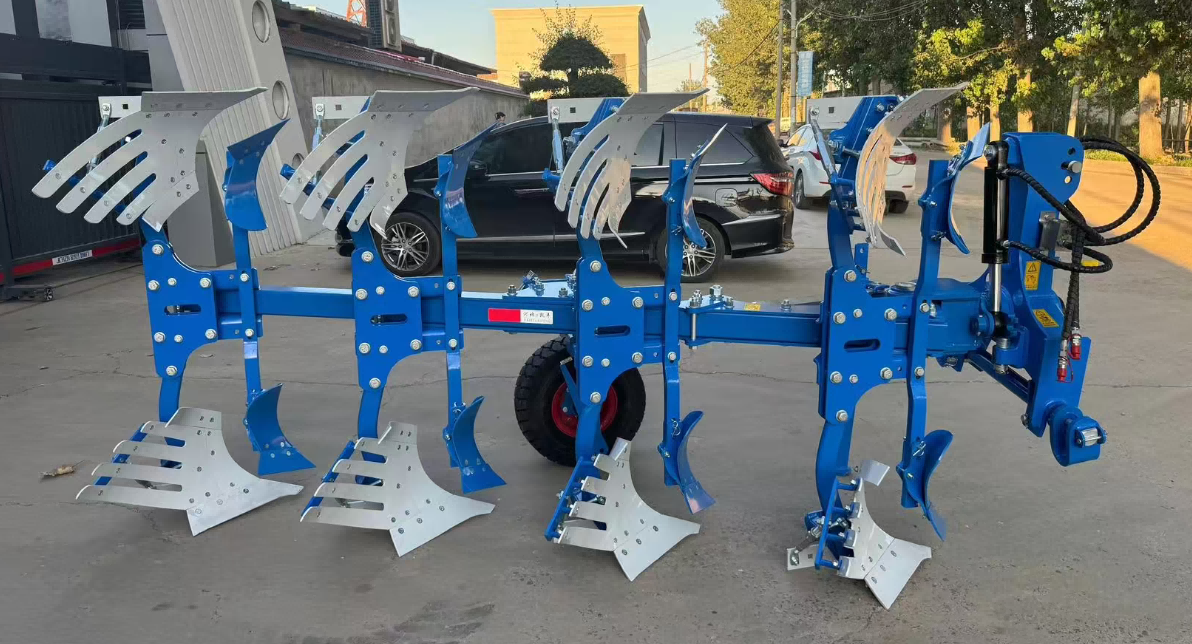
For heavy clay soil, due to its fine soil particles and strong adhesiveness, the operation is difficult with high resistance, and it is prone to stick to the farming tools. Therefore, heavy-duty farming tools with strong traction and deep penetration into the soil are required. During plowing, the moldboard plow is the ideal choice. Its sharp plow blades can effectively penetrate the heavy clay soil, turn over the deep soil, break the compact layer, and improve the soil aeration.


Optimize matching based on terrain characteristics

Different terrain features have significantly different requirements for the combination of tractors and agricultural implements. Plains, mountains, hills, terraced fields and other different terrains, due to restrictions such as working space, slope and flatness, determine the structural form and operational flexibility of agricultural implements.

The terrain in plain areas is flat and the plots are large and contiguous, making it suitable to choose large and wide-range supporting farm machinery to maximize the operation efficiency. In the field cultivation stage, a large-scale combined tillage and plowing machine can be used to achieve integrated operations of deep plowing, soil crushing and leveling; in the sowing stage, a wide-range strip sowing machine or precision sowing machine can be paired to complete multiple rows of sowing at once; during the field management phase, large-scale weeding machines and sprayers can cover a wider area, improving management efficiency. Moreover, the plain areas are suitable for large-scale cultivation, and can be equipped with subsequent processing farm machinery such as harvesters and balers to form a complete planting-reaping industrial chain.

The terrain in mountainous and hilly areas is highly undulating with steep slopes and scattered plots, resulting in limited working space. Moreover, high requirements are placed on the stability and maneuverability of agricultural tools. Therefore, small, lightweight, and highly mobile agricultural tools should be selected. Additionally, equipment with anti-slip and braking functions should be given priority. When plowing, a small moldboard plow or rotary tiller can be used, which is convenient for turning and operating in narrow plots. For sowing, a small planter is suitable, allowing for manual adjustment of the sowing position to improve sowing accuracy. For field management, a small tillage and weed removal machine and a backpack sprayer can be paired to reduce safety risks when operating on sloping terrain.


Select agricultural tools based on their growth characteristics

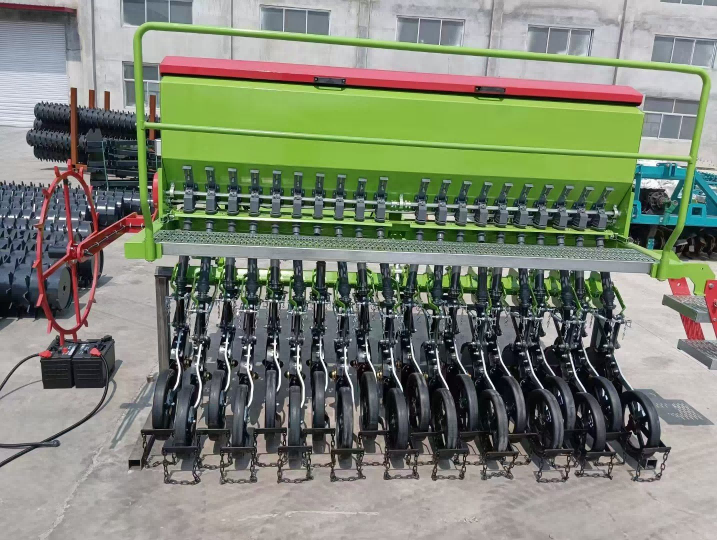
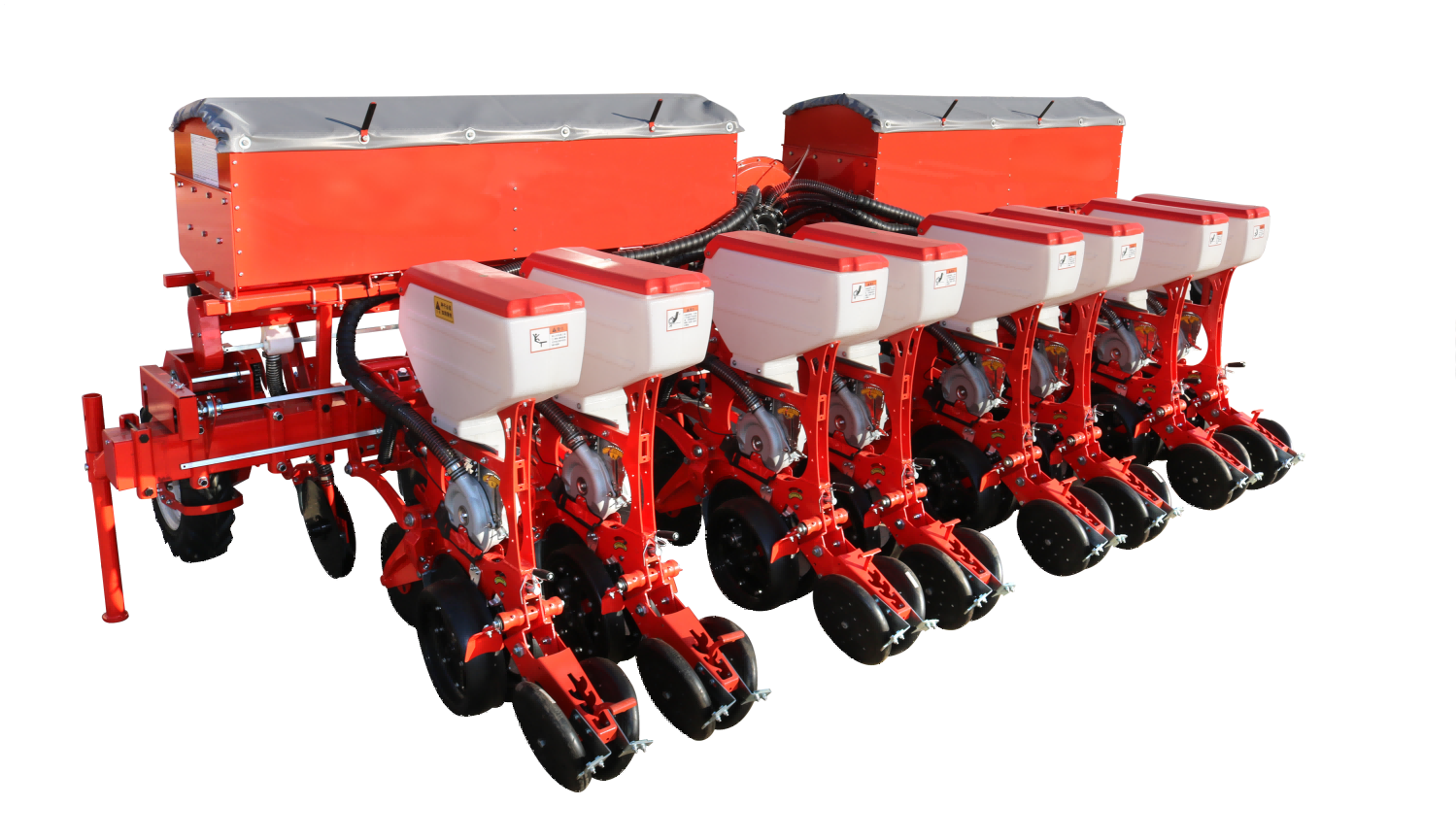
Grain crops such as wheat, corn and rice are mostly cultivated on a large scale, which requires high operational efficiency of agricultural machinery. In the field preparation stage, if the planting areas of wheat and corn are on plain loamy soil, a large rotary tiller can be used for shallow plowing; if it is on clay soil, a large moldboard plow is recommended for deep plowing. In the rice planting area, water field harrows and rotary tillers can be used in combination to achieve fine soil fragmentation and flat field surfaces. In the sowing stage, for wheat, a wide-row sowing machine is suitable; for corn, a precision point sowing machine can be used to precisely distribute seeds; for rice, a rice direct seeding machine or seedling transplanting machine is needed to meet the operational requirements in the muddy water field environment.

Crops such as cotton, fruits and vegetables, and medicinal herbs have more stringent requirements for their growth environment and thus require a more refined operation mode. In cotton-growing areas, a medium-sized rotary tiller can be selected for the plowing process, with an appropriate depth to avoid damaging the soil structure; in the sowing stage, a specialized cotton precision sowing machine should be used to precisely control the row spacing and plant spacing; in field management, a tillage and soil covering machine can be used to cultivate the soil around the cotton roots, enhancing their ability to resist lodging, and at the same time, a small-sized weeding machine and a precise spraying machine can be combined to specifically control and prevent diseases and pests.


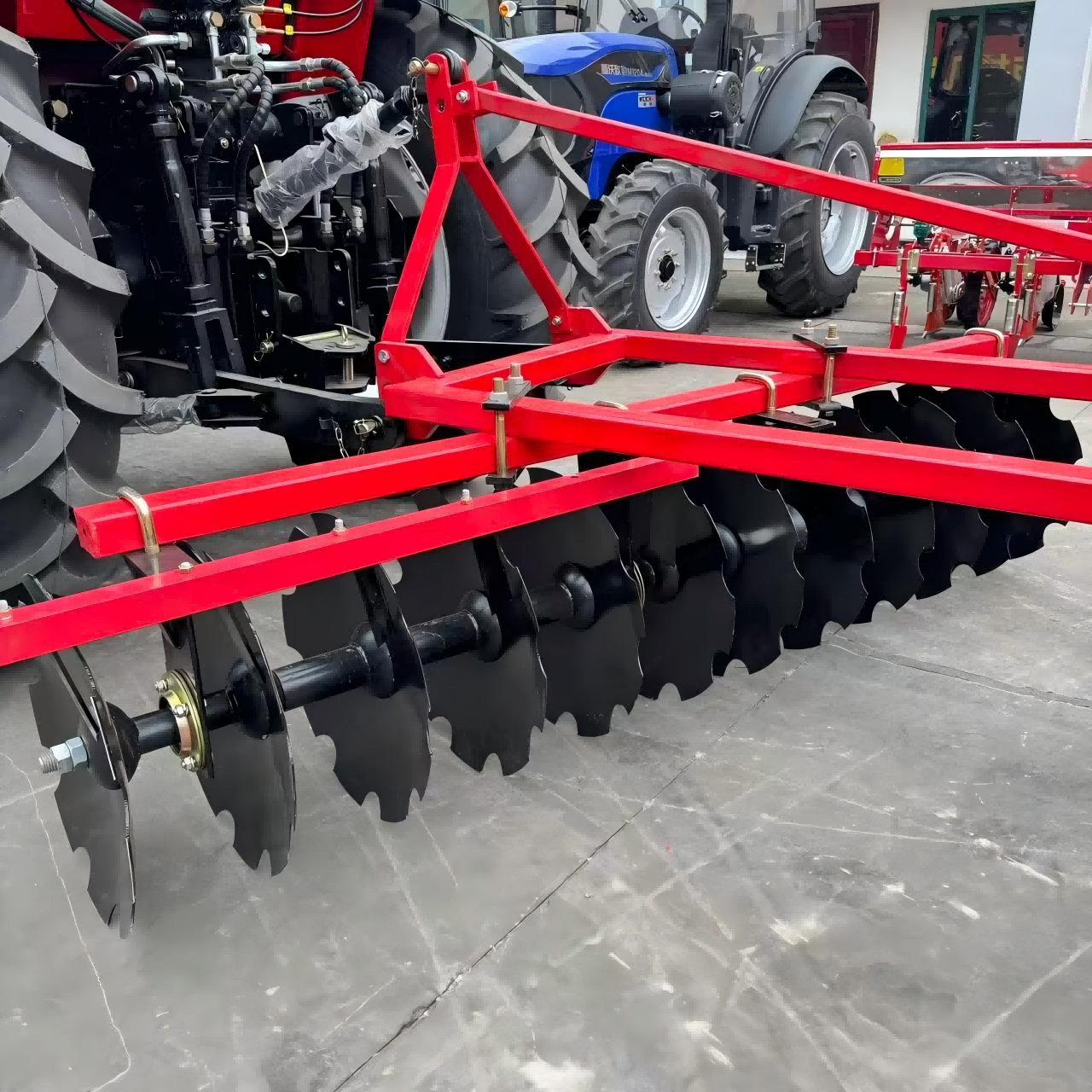
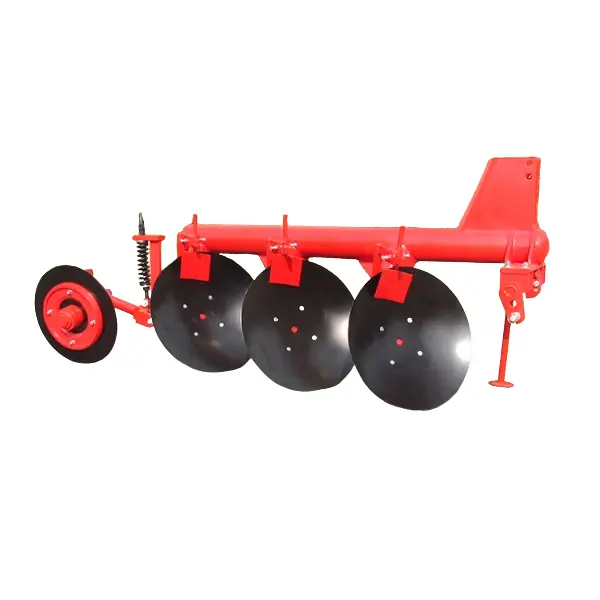
For barren gravelly or sandy soil, which has poor bearing capacity and contains a lot of gravel, it is prone to wear and tear on farm tools. When choosing farm tools, priority should be given to types that are wear-resistant and have a sturdy structure. In the plowing process, a disc plow can be selected, as its disc-shaped plow body can effectively avoid gravel and reduce wear, while achieving shallow plowing; in the sowing process, a seeding machine can be used to precisely distribute seeds, avoiding the seeds being buried by sand and wind; in addition, a fertilization machine can be used in conjunction to apply organic fertilizer to improve soil fertility.


Ensure that farm tools and tractors are precisely matched and compatible.

Power matching

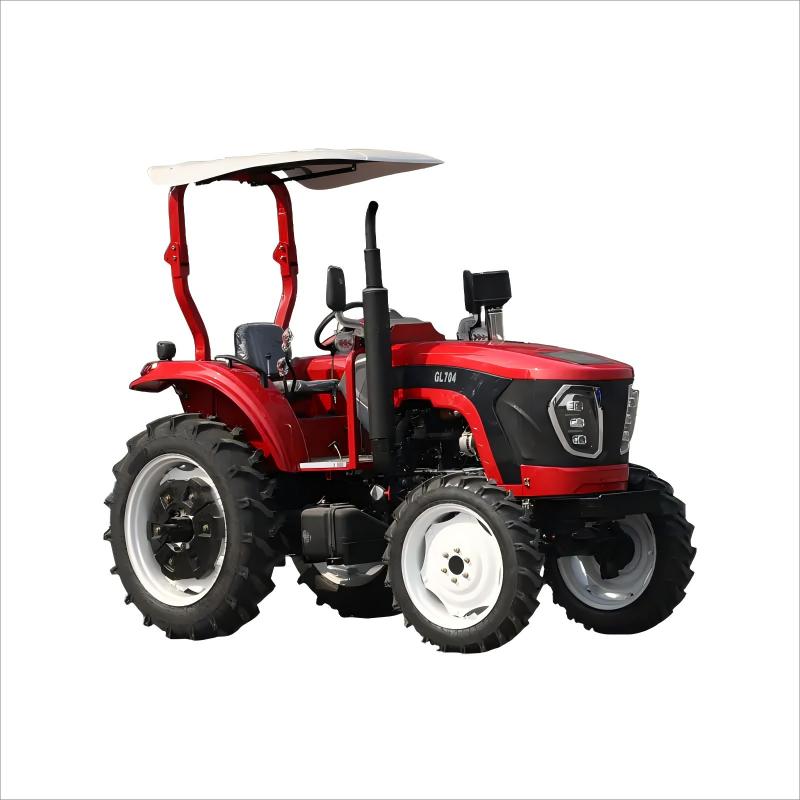
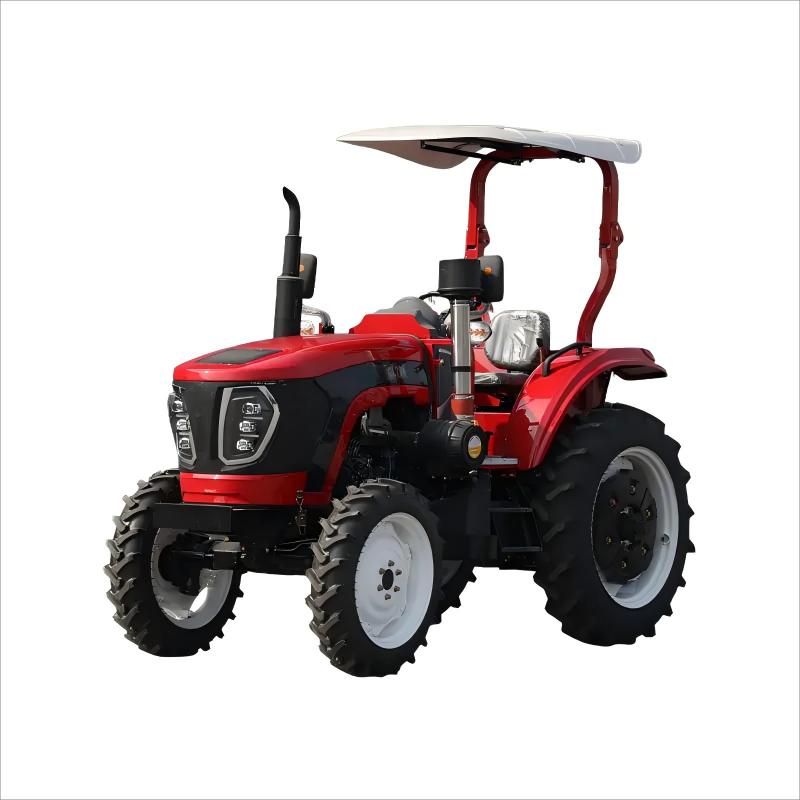
The power of a tractor directly determines the types and sizes of agricultural implements it can be paired with. Insufficient power will result in low efficiency of agricultural implement operations, and even prevent them from being able to perform soil operations normally; excessive power, on the other hand, will cause energy waste. Generally speaking, small tractors (15-30 horsepower) are suitable for pairing with small rotary tillers, seeding machines, etc., and are suitable for small-scale planting on hills and plains; medium-sized tractors (30-80 horsepower) can be paired with medium-sized moldboard plows, wide-row rotary tillers, strip planters, etc., and are suitable for medium-scale planting on plains; large tractors (over 80 horsepower) can be paired with large combined tillage and cultivation machines, wide-row seeders, combined harvesters, etc., and are suitable for large-scale and intensive planting.


Connection mode adaptation

The connection methods of tractors and agricultural machinery mainly include towing type, suspension type and semi-suspension type. Different connection methods have different applicable scenarios and operational stability. The towing type connection is suitable for large agricultural machinery such as large trailers, and during operation, the agricultural machinery is connected to the tractor through a towing rod, which has strong stability and is suitable for long-distance transfer and large-scale operations; the suspension type connection is suitable for small and medium-sized agricultural machinery such as rotary tillers and moldboard plows, and the agricultural machinery can be raised and lowered through the suspension system of the tractor, which is convenient for operations on small plots or in complex terrains; the semi-suspension type connection lies between the two, suitable for medium and large-sized agricultural machinery, balancing stability and flexibility. When choosing, it is necessary to ensure that the connection interface of the agricultural machinery is consistent with that of the tractor to avoid problems such as inability to install or unstable connection.

Related News
Leave me a message
Mobile
Address
Changjiang West Road, Huangdao District, Qingdao City, Shandong Province, China
X
We use cookies to offer you a better browsing experience, analyze site traffic and personalize content. By using this site, you agree to our use of cookies. Privacy Policy
Reject Accept