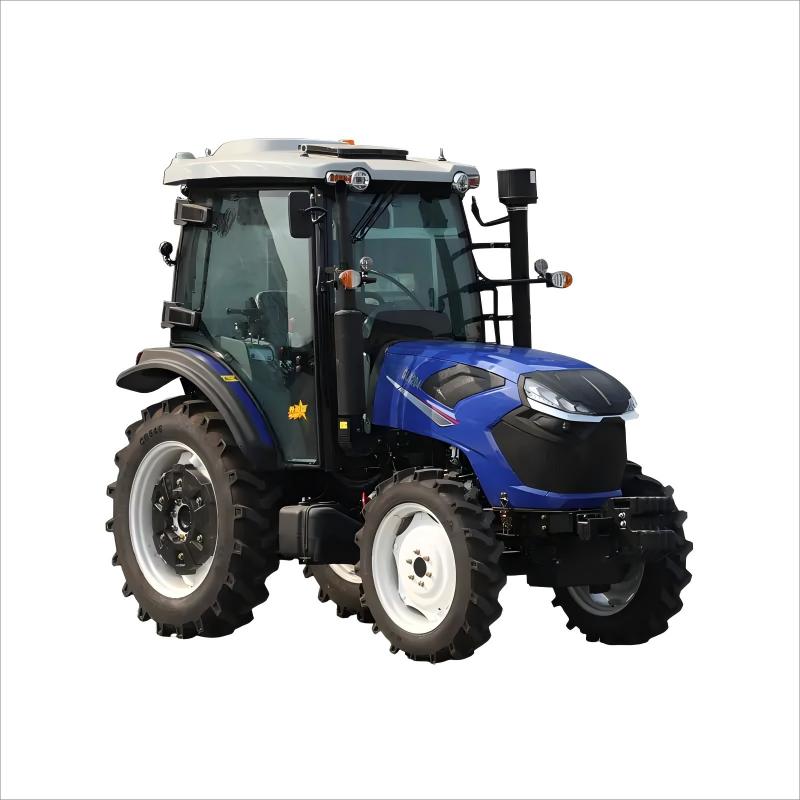
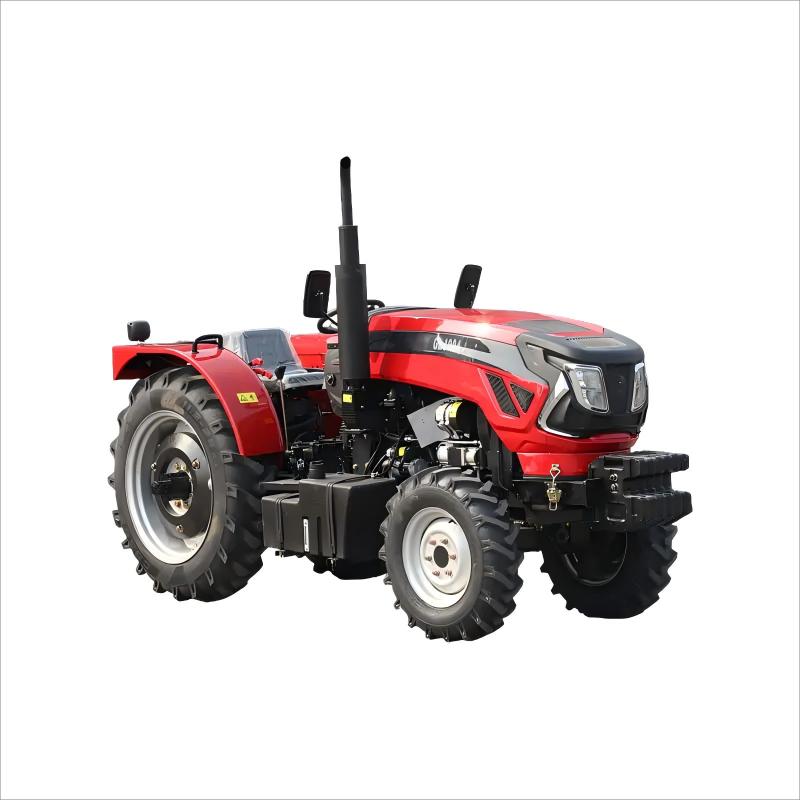
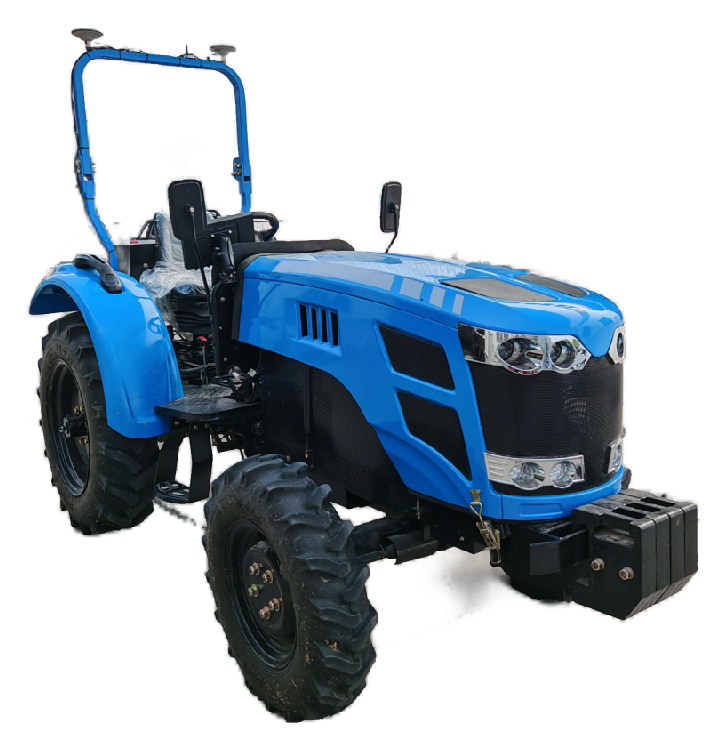
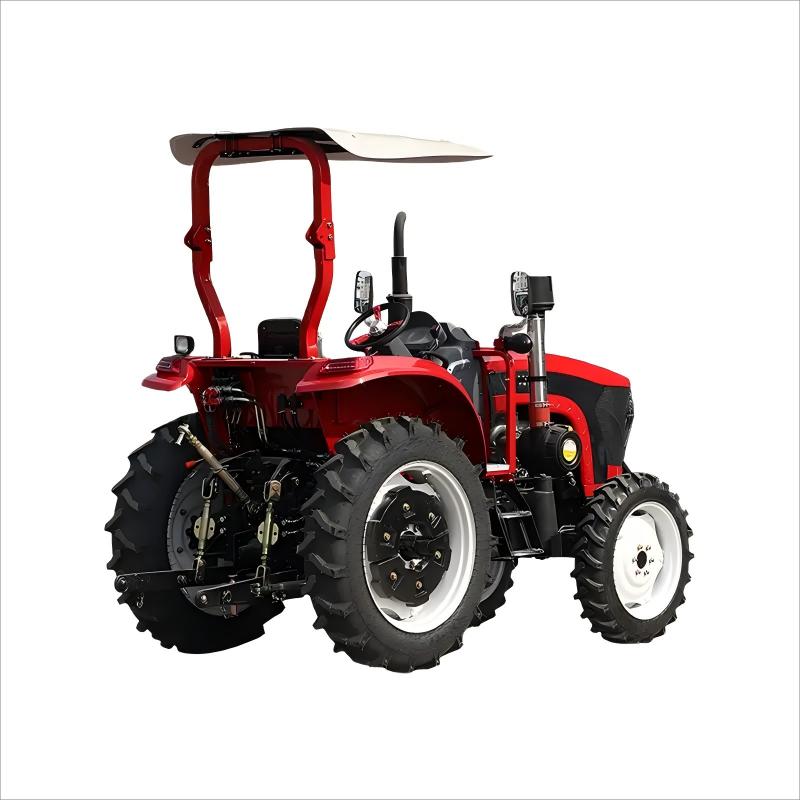
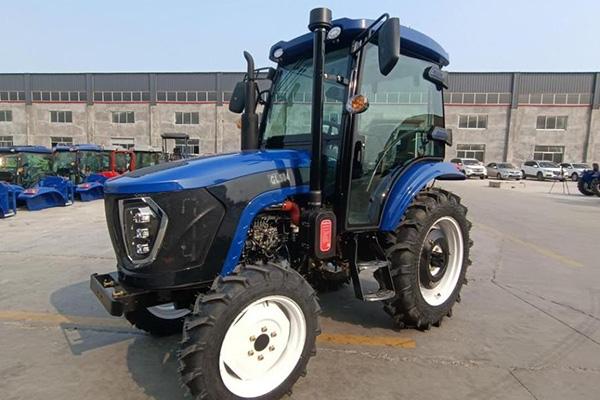
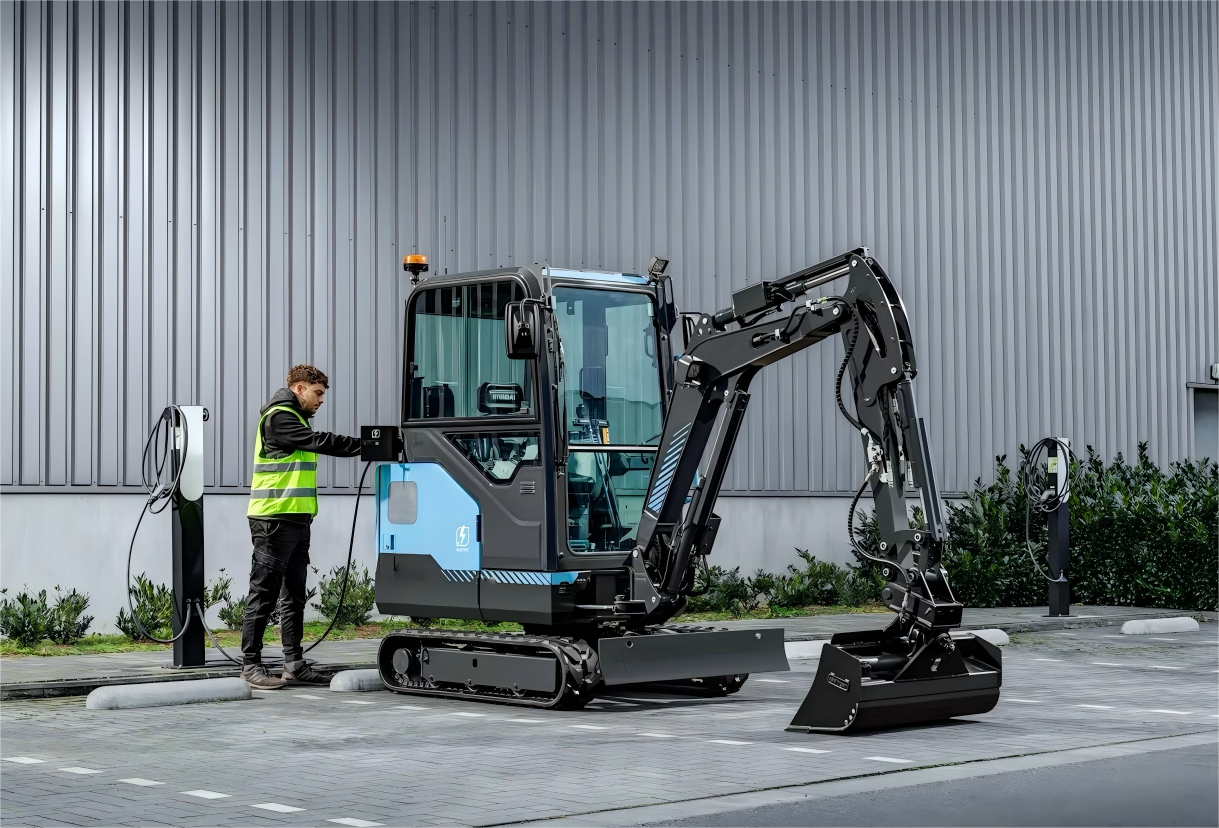
China's agricultural machinery exports reached a new high in 2025-2026.
Under the dual impetus of the accelerated global agricultural modernization process and the upgrading of China's agricultural machinery industry, China's agricultural machinery exports achieved an outstanding performance in 2025, with breakthrough growth in export scale, product structure, and market coverage. The latest data from the General Administration of Customs and industry associations show that China's agricultural machinery is transitioning from "product export" to "coordinated overseas expansion of the industrial chain". In 2026, the industry will witness a crucial leap from "quantity increase" to "quality transformation", providing global purchasers with more competitive products and solutions, and opening up broader overseas market spaces for Chinese agricultural machinery export enterprises.
Core export data for 2025
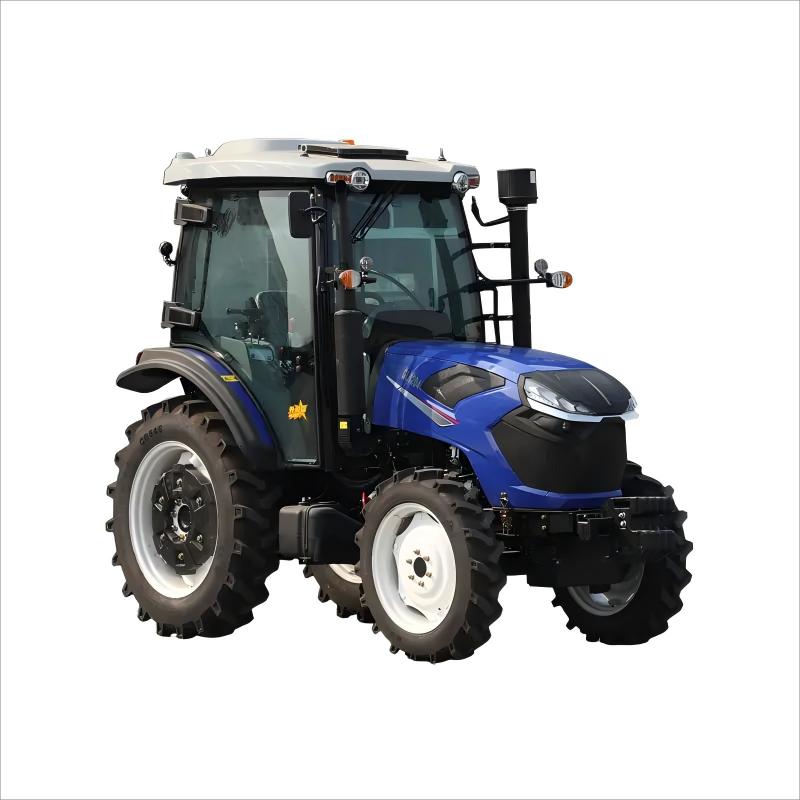
In 2025, China's tractor exports witnessed a strong growth trend with both volume and value increasing. The upgrading of high-end products became the core driving force for growth. The export scale and value for the entire year reached new highs in a phased manner, and the overall competitiveness of the industry continued to improve. From the phased performance, the export volume in the first half of the year (from January to June) was 90,100 units, and the export value reached 4.357 billion yuan, laying a solid foundation for the annual growth; from January to October, the export volume rose to 150,400 units, an increase of 67% compared to the first half, and the export value increased to 7.327 billion yuan, a 68% increase compared to the first half. The export growth rate significantly accelerated, and overseas market demand continued to be released. From January to November, the export volume further increased to 168,500 units, an increase of 12% compared to the first 10 months, and the export value reached 8.290 billion yuan, a 13% increase compared to the first 10 months. At the end of the year, demand continued to rise, and the export scale approached the annual target. By the end of 2025, the export volume reached 185,500 units, an increase of over 11.9% year-on-year, and the export value reached 8.925 billion yuan, an increase of over 34.29% year-on-year. The growth rate of export value was significantly higher than that of export volume, clearly reflecting the trend of price increase, and confirming the achievements of the domestic tractor industry's upgrading towards high-end levels.
In 2025, the Chinese agricultural machinery export market presented a diversified pattern of "stable growth in traditional markets and explosive growth in emerging markets", with continuous expansion of market coverage, effectively reducing the risks brought by fluctuations in a single market, and providing broader layout space for foreign trade enterprises.
In 2025, the export value of tractors from China showed a distinct horsepower segment stratification pattern. Among them, the 50-100 horsepower (HP) models accounted for 30.5% and became the market segment with the largest contribution to the export value, reflecting the strong demand for medium-horsepower equipment in the global large-scale agriculture and economic crop cultivation sectors. The 100-180 horsepower high-end models accounted for 24.45%, while the 25-50 horsepower mid-range models accounted for 22.3%. These three core horsepower segments (25-180 HP) collectively contributed 77.3% of the total export value, jointly forming the value pillar of China's tractor exports. This not only reflects the diverse demands of overseas markets for agricultural equipment of different scales but also confirms the continuous improvement of the competitiveness of domestic mid-to-high-end tractor products. Additionally, the proportion of walking tractors was 12.75%, mainly corresponding to the basic agricultural needs of small-scale farmers and underdeveloped regions. The Nama category accounted for 10.0%, and the value contribution of these products was relatively limited. Overall, the current export value structure not only demonstrates the diversified market layout of China's tractor exports but also highlights that mid-to-high-end models have become the core driving force for the growth of export value. As the global agricultural mechanization process accelerates, it is expected that the value proportion of high-end large-horsepower models will further increase. The domestic industry needs to continuously focus on technological upgrading and product iteration to consolidate its competitive position in the global agricultural machinery market.
From the perspective of regional distribution, the countries along the "Belt and Road Initiative" have become the main destinations for China's agricultural machinery exports, accounting for over 60% of the total. Among them, ASEAN has become the largest trading partner of China's agricultural machinery, accounting for 30% of the total exports. The export to Indonesia has increased by 121.07% year-on-year. The emerging markets have performed particularly well. The African market saw a year-on-year growth rate of 46.6% for the entire year, becoming the fastest-growing regional market. The Central Asian market showed a significant growth rate. In the first half of 2025, the total export value of Chinese agricultural machinery and components to Central Asia reached 6.6 billion US dollars, with a year-on-year increase of 32.6%. Uzbekistan and Kazakhstan became the fastest-growing emerging markets. Among them, the import of agricultural machinery in Uzbekistan increased by 256.77%. The export to Latin America increased by 15.2% year-on-year. The export of agricultural vehicles to the Argentine market increased by a five-digit percentage. In the traditional European market, the growth rate of agricultural machinery imports from Germany and Poland exceeded 100%. The export of horticultural and forage machinery to Europe reached 3.67 billion US dollars in the first 10 months, with a year-on-year increase of 32.3%. The imports from countries such as Germany, the Netherlands, and the United Kingdom continued to grow. In the US and Canadian markets, the export of EPA-certified agricultural machinery products was steadily advancing, becoming an important breakthrough point for China's agricultural machinery to go global at a high level. Although the export of some products to the US slightly declined, the decline was lower than expected, and the overall situation remained stable. In addition, the markets in Russia and the Commonwealth of Independent States continued to heat up. The export of grain processing and poultry farming machinery to Russia maintained a rapid growth rate, with a year-on-year increase of approximately 30% to Russia.
Behind the data lies the transformation of China's agricultural machinery industry from "price-driven" to "performance and value-driven". Technological innovation and local layout have become the core driving forces behind the growth of exports, laying a solid foundation for the high-quality development of exports in 2026.
For global agricultural machinery buyers, Chinese agricultural machinery, with its core advantages of "high cost-effectiveness, comprehensive product coverage, and customized services", as well as its continuously improving technological strength, will become the preferred choice for global agricultural machinery purchases. For Chinese independent online trading enterprises, seizing popular categories such as medium-sized tractors, harvesting machinery, and intelligent equipment, focusing on high-growth markets in Southeast Asia, Africa, and Central Asia, highlighting certification advantages and local service capabilities, they are expected to seize the initiative in the export wave in 2026 and achieve performance breakthroughs.
In the future, Chinese agricultural machinery will continue to take technological innovation as the core and market demand as the orientation, promoting the transformation of export trade from "accumulation of quantity" to "leap in quality", helping to promote global agricultural modernization development, and achieving mutual benefit and win-win results with global buyers.
We use cookies to offer you a better browsing experience, analyze site traffic and personalize content. By using this site, you agree to our use of cookies.
Privacy Policy