Email Us
News

What Makes Modern Wheel Loaders the Future of Construction Efficiency?

2025-10-30

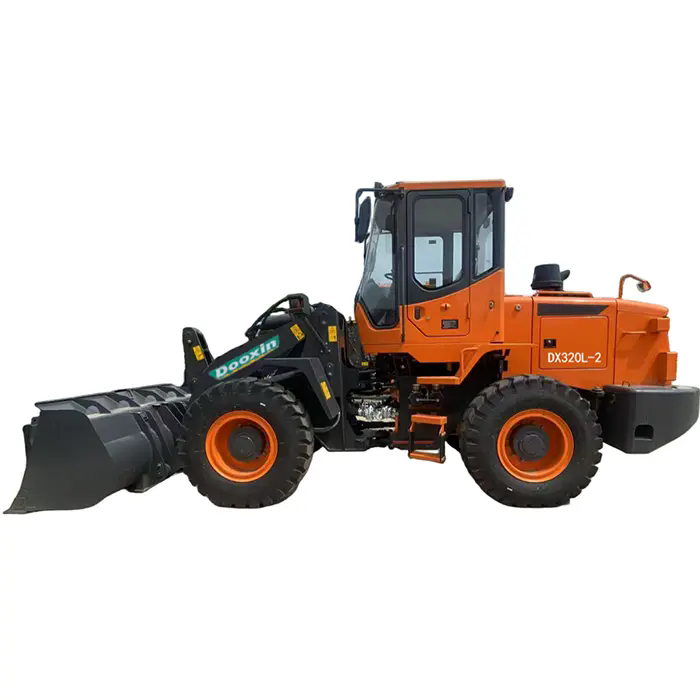
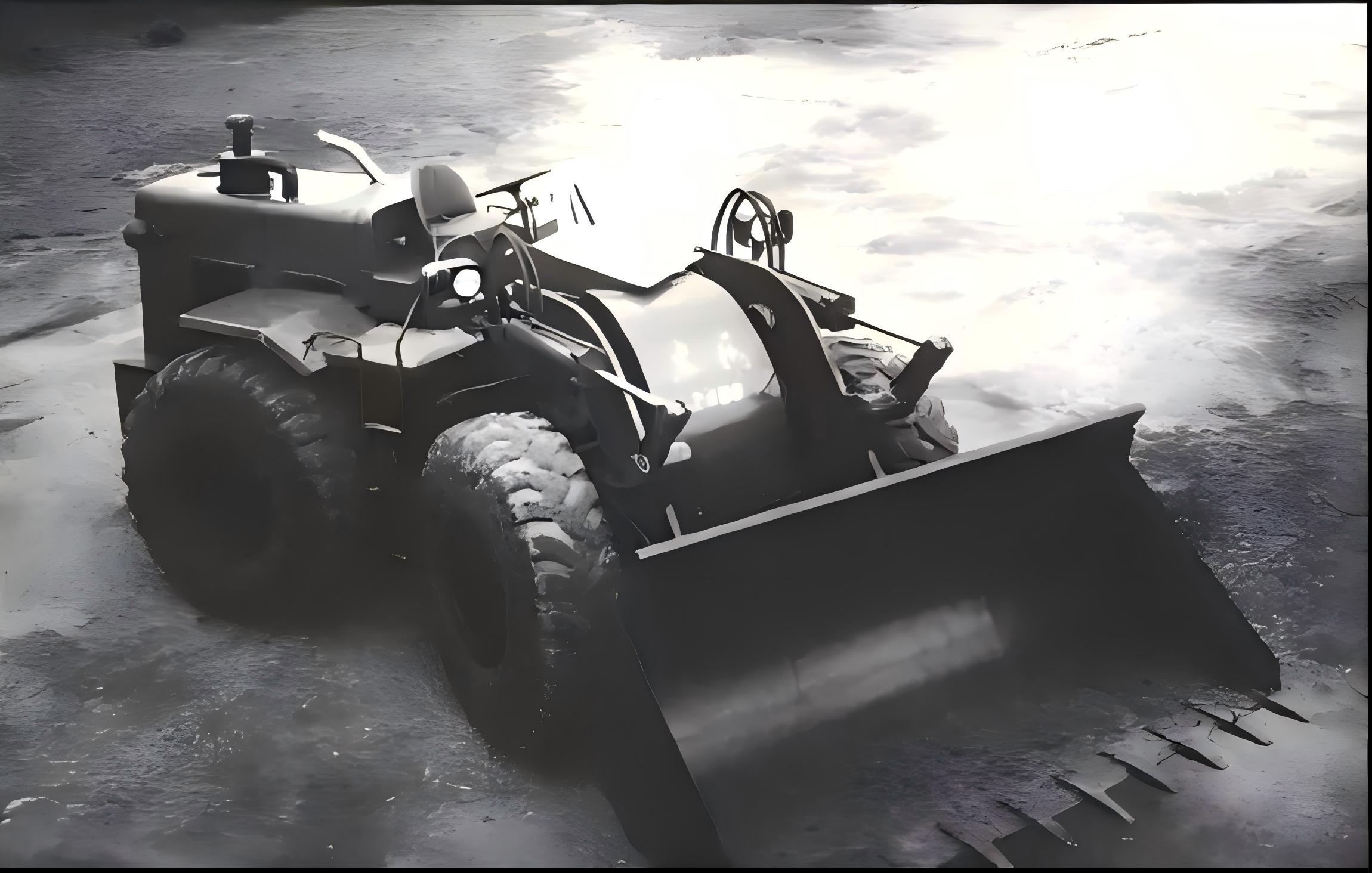
A wheel loader, often known as a front-end loader or bucket loader, is a powerful piece of heavy equipment used in construction, mining, agriculture, and industrial operations. It is designed primarily for loading, transporting, and moving materials such as soil, gravel, sand, and debris. Its defining feature—a large front-mounted bucket—makes it indispensable for earthmoving and bulk material handling.

3 Ton Wheel Loader

As infrastructure projects grow worldwide, the need for machines that combine speed, efficiency, and versatility has become more critical. Wheel loaders fill this gap, offering exceptional power and adaptability across diverse job sites. Unlike tracked machines, wheel loaders provide greater mobility, less ground disturbance, and easier transportation between projects.

A modern wheel loader isn’t just a machine—it’s a productivity powerhouse. Equipped with advanced hydraulic systems, intelligent control interfaces, and fuel-efficient engines, the latest generation of loaders delivers superior operational precision and cost-efficiency.

Below is a summary of key technical specifications found in high-performance wheel loaders:

Specification Description
Engine Power 120–300 HP (depending on model)
Operating Weight 10,000–35,000 kg
Bucket Capacity 1.5–6.0 cubic meters
Maximum Breakout Force Up to 250 kN
Transmission Type Fully automatic, torque converter-based system
Hydraulic System Load-sensing, energy-saving hydraulics
Fuel Efficiency Optimized through advanced electronic control and low-idle management
Cab Design Noise-reduced, ROPS/FOPS-certified cabin with ergonomic controls
Steering Type Articulated frame steering for enhanced maneuverability
Maintenance Access Centralized grease points and wide-opening hoods for easy servicing

Wheel loaders play a pivotal role in streamlining site operations. Their ability to lift, carry, and load materials quickly helps shorten project timelines while maintaining safety and accuracy. From small construction sites to large-scale mining operations, their flexibility makes them one of the most in-demand machines in the heavy equipment industry.

Why Are Modern Wheel Loaders So Valuable for Construction and Industrial Use?

The question of why wheel loaders are crucial in modern industries can be answered through their core advantages: efficiency, versatility, and durability.

1. High Efficiency and Power Output
Modern wheel loaders are engineered for productivity. With high horsepower engines and advanced torque converters, they can operate in rugged terrains while maintaining steady performance. Smart load-sensing hydraulic systems ensure the bucket movement is responsive and efficient, reducing fuel consumption while boosting cycle speed.

2. Superior Versatility Across Applications
A single wheel loader can be equipped with various attachments—forks, grapples, snowplows, and log clamps—allowing it to serve multiple functions. This adaptability makes it a cost-effective investment for businesses that manage diverse operations such as construction, agriculture, or material handling.

3. Enhanced Operator Comfort and Safety
Operator fatigue can significantly impact productivity. That’s why manufacturers have redesigned cabins to feature climate control, adjustable seats, low vibration systems, and 360-degree visibility. Safety enhancements like ROPS/FOPS-certified cabins and reverse camera systems provide additional protection in challenging work environments.

4. Low Maintenance and Long Service Life
Wheel loaders are designed with centralized lubrication points, tilting hoods, and easy access panels, reducing downtime for maintenance. High-quality materials and corrosion-resistant coatings increase the lifespan of critical components.

5. Environmental and Cost Advantages
New-generation engines meet stringent Tier 4 and Euro Stage V emission standards, minimizing environmental impact. With fuel-efficient technologies, such as automatic idle shutdown and power optimization, users experience a lower total cost of ownership over the machine’s lifetime.

How Are Technological Innovations Shaping the Future of Wheel Loaders?

The wheel loader industry is undergoing a technological revolution. Advancements in automation, telemetry, and energy efficiency are transforming these machines into intelligent, data-driven assets.

A. Smart Operation and Telematics
Many modern wheel loaders are equipped with telematics systems that allow real-time monitoring of fuel consumption, load weight, and engine performance. Fleet managers can remotely track operational data, optimize routes, and schedule maintenance, enhancing uptime and reducing operational costs.

B. Hybrid and Electric Wheel Loaders
With the global shift toward sustainability, electric and hybrid wheel loaders are becoming a significant trend. These models feature electric drive systems or battery-assisted engines that drastically cut fuel usage and emissions while maintaining high torque output.

C. Automation and Assistive Controls
AI-based load weighing systems and automatic bucket positioning have made operations safer and more accurate. Semi-autonomous wheel loaders can now perform repetitive loading cycles with minimal operator input, significantly reducing errors and fatigue.

D. Durability Through Design Innovation
Advanced materials such as high-tensile steel and reinforced frame structures extend machine life. Enhanced cooling systems and dust-resistant designs make these loaders ideal for harsh working environments such as quarries and cement plants.

E. Connectivity and Predictive Maintenance
Through IoT-based sensors, wheel loaders can predict component wear before failure occurs. Predictive analytics enable timely servicing, reducing unplanned downtime and repair costs.

These advancements not only improve performance but also help businesses transition into smart construction ecosystems, where data, machines, and human operators work in synergy for maximum output.

What Is the Future Outlook for Wheel Loaders and Why Choose PENGCHENG GLORY?

The future of wheel loaders lies in sustainable innovation and intelligent automation. Manufacturers are investing heavily in electric drives, digital connectivity, and ergonomic design to meet evolving global demands. The market trend is clear: customers seek equipment that provides high output with minimal environmental footprint.

Key Future Trends:

  • Full Electrification: Reduced emissions, quieter operations, and lower long-term costs.

  • Autonomous Operation: Integration of AI and sensor technology to improve efficiency.

  • Enhanced Ergonomics: Focus on human-machine interaction for operator well-being.

  • Modular Attachments: Quick-change systems for improved versatility.

  • Data-Driven Performance: Real-time analytics for fleet optimization.

PENGCHENG GLORY stands at the forefront of this evolution. With decades of engineering expertise, the brand continues to refine its wheel loaders for the modern construction landscape. Each model is crafted with precision-engineered hydraulics, advanced safety systems, and high-strength components that ensure reliability under the toughest conditions.

Whether for large infrastructure projects, quarry work, or industrial logistics, PENGCHENG GLORY wheel loaders deliver consistent performance that translates directly into productivity and profit. The company’s commitment to sustainability, innovation, and customer satisfaction positions it as a trusted partner in the global heavy machinery industry.

Common Questions About Wheel Loaders

Q1: What factors should be considered when choosing a wheel loader?
A1: When selecting a wheel loader, consider the type of work environment, required bucket capacity, engine power, operating weight, and attachment compatibility. It’s also important to evaluate fuel efficiency, ease of maintenance, and after-sales service availability. For example, high-capacity models are ideal for mining or quarry operations, while compact models suit construction or agricultural sites with limited space.

Q2: How can operators maintain optimal performance and extend the lifespan of a wheel loader?
A2: Regular inspections, timely lubrication, and following manufacturer-recommended service intervals are key. Operators should check tire pressure, hydraulic fluid levels, and air filters daily. Using clean fuel and storing the machine in a dry environment also helps prevent corrosion. Additionally, monitoring telematics data can alert operators to early signs of wear or performance drops, ensuring preventive action before costly repairs are needed.

Wheel loaders have evolved from simple material-moving machines to intelligent, energy-efficient construction assets that power modern infrastructure development. Their impact on productivity, safety, and environmental responsibility is undeniable. As the demand for smart, eco-friendly equipment grows, the role of advanced wheel loaders will only expand further.

PENGCHENG GLORY continues to lead in this transformation—offering wheel loaders that embody power, precision, and sustainability. For businesses seeking reliable performance and long-term value, these machines represent the perfect investment for the future of construction.

Contact us to learn more about PENGCHENG GLORY’s complete line of wheel loaders and discover how innovative engineering can redefine your work efficiency and profitability.

Related News
Mobile
Address
Changjiang West Road, Huangdao District, Qingdao City, Shandong Province, China
X
We use cookies to offer you a better browsing experience, analyze site traffic and personalize content. By using this site, you agree to our use of cookies. Privacy Policy
Reject Accept